


Green Belt vs Black Belt Six Sigma: Roles Responsibilities and Salary in 2026

When I speak with professionals who want to grow in quality management, one question comes up again and again — what is the difference between a Green Belt and a Black Belt, especially in terms of roles and earnings? 

In 2026, this question is even more relevant because the demand for process improvement experts has increased across industries like manufacturing, IT, healthcare, and logistics. Many people search for Six Sigma green belt vs black belt salary 2026 to understand which path gives better career growth.

From my experience as a Quality Manager and Certified Auditor, I can tell you that both roles are valuable, but they serve very different purposes in an organization. 

A Green Belt is usually someone who works on projects part-time, while a Black Belt is fully dedicated to process improvement and leads large-scale projects. This difference directly impacts salary, responsibilities, and long-term career growth.

six-sigma-green-belt-vs-black-belt-salary

In this guide, I will explain everything in a simple and practical way. I will also share real examples, salary trends, certification tips, and mistakes to avoid. Whether you are planning to start your Six Sigma journey or thinking about moving to the next level, this article will help you make the right decision.

Contents

Six Sigma Green Belt vs Black Belt Salary 2026:

A Six Sigma Green Belt earns an average of $65,000 to $90,000 per year, while a Black Belt earns between $95,000 and $130,000+ in 2026, depending on industry and experience. Green Belts support projects part-time, while Black Belts lead projects full-time and drive business results.

The salary difference reflects higher responsibility, leadership, and impact.

In 2026, the comparison between Green Belt and Black Belt roles in Six Sigma shows a clear difference in responsibilities, skills, and compensation. Green Belts typically focus on smaller projects within their departments, while Black Belts lead cross-functional initiatives that directly impact company profits. 

As a result, Black Belts earn significantly higher salaries and are often considered future leaders in operational excellence.

Salary Comparison in Detail:

When I guide professionals on career growth, salary is always an important factor. Based on recent data from platforms like Glassdoor and Payscale, the Six Sigma salary US range has shown steady growth of around 8–12% compared to 2024. 

This increase is mainly due to rising demand for data-driven decision-making and cost reduction strategies.

Here is a simple comparison to understand better:

  • Green Belt Salary (2026):
    • Entry Level: $60,000 – $70,000
    • Mid Level: $70,000 – $85,000
    • Senior Level: $85,000 – $95,000
  • Black Belt Salary (2026):
    • Entry Level: $90,000 – $105,000
    • Mid Level: $105,000 – $120,000
    • Senior Level: $120,000 – $140,000+

From my experience, I have seen professionals move from Green Belt to Black Belt and get a salary increase of 30% to 50% within 2 years. That is a big jump compared to many other certifications.

Real Example from Industry:

Let me give you a real example from one of my previous projects. A production engineer in a manufacturing company completed his Six Sigma green belt certification and started working on defect reduction.

Within 8 months, he reduced rejection rates by 18%, which saved the company around $150,000 annually.

Later, he upgraded to a Black Belt and started leading multiple projects across departments. Within one year, his salary increased from $75,000 to $110,000. This clearly shows how moving up in Six Sigma belt levels impacts earnings.

Factors That Affect Salary:

Salary is not only about certification level. There are multiple factors that influence how much you can earn in 2026.

  • Industry type (IT and healthcare pay more than manufacturing in many cases)
  • Experience level (5+ years gives higher advantage)
  • Certification body (like ASQ or IASSC)
  • Project impact (cost savings and efficiency improvements)

For example, professionals with ASQ black belt certification often earn 10–15% more compared to others because of its strong reputation.

Recommended Reference Materials and Audit Resources:

For professionals wanting to perform stronger audits, these references are extremely useful:

I strongly recommend the official Six Sigma for Professionals for auditors working in automotive supplier quality.

What Are Six Sigma Belt Levels?

In my career, I have seen many people get confused about Six Sigma belts. The system is designed to show skill level, similar to martial arts belts. Each level represents a deeper understanding of process improvement and data analysis.

The common Six Sigma belt levels include:

  • White Belt
  • Yellow Belt
  • Green Belt
  • Black Belt
  • Master Black Belt

Among these, Green Belt and Black Belt are the most important for career growth. They are also the most recognized by employers across industries.

Role of a Green Belt in Organizations:

A Green Belt is someone who works on improvement projects along with their regular job. They usually focus on solving problems within their own department. In many companies, Green Belts are engineers, analysts, or supervisors.

From my experience, Green Belts are the backbone of continuous improvement. They collect data, analyze issues, and implement solutions. However, they usually work under the guidance of a Black Belt.

For example, a Green Belt in a hospital might work on reducing patient waiting time. They collect data, identify delays, and suggest improvements. This is a typical green belt project requirement.

Role of a Black Belt in Organizations:

Black Belts are full-time professionals dedicated to process improvement. They lead projects, mentor Green Belts, and work directly with management. Their role is more strategic compared to Green Belts.

I have personally handled projects where Black Belts saved companies millions of dollars. Their focus is not just on solving problems but also on preventing them in the future.

Some key areas where Black Belts work include:

  • Cost reduction
  • Process optimization
  • Customer satisfaction improvement
  • Risk management

Because of these responsibilities, black belt Six Sigma responsibilities are much broader and more impactful.

Key Differences Between Green Belt and Black Belt:

Let me explain this in a simple way based on real-world experience.

  • Green Belt:
    • Works part-time on projects
    • Handles smaller problems
    • Limited leadership role
  • Black Belt:
    • Works full-time on improvement
    • Handles complex projects
    • Leads teams and mentors others

This difference is the main reason behind the gap in quality professional salary 2026.

Roles and Responsibilities: Green Belt vs Black Belt

Green Belt Responsibilities in Detail:

When I train Green Belt candidates, I focus on practical skills. A Green Belt should be able to identify problems, collect data, and support improvement initiatives.

Some key responsibilities include:

  • Data collection and analysis
  • Supporting DMAIC projects
  • Identifying root causes
  • Implementing small improvements

In one of my projects, a Green Belt identified a simple issue in packaging that was causing delays. By fixing that, the company improved delivery time by 12%.

Black Belt Responsibilities in Detail:

Black Belts take full ownership of projects. They are responsible for delivering measurable results that impact business performance.

Their responsibilities include:

  • Leading DMAIC projects end-to-end
  • Training and mentoring Green Belts
  • Working with top management
  • Driving continuous improvement culture

From my experience, companies expect Black Belts to deliver savings of at least $200,000 to $500,000 per year through their projects.

Leadership and Decision-Making Role:

One major difference I always highlight is leadership. Green Belts support, but Black Belts lead. This leadership role is what makes Black Belts more valuable to organizations.

Black Belts often present reports to senior management. They also make decisions that affect multiple departments. This level of responsibility requires strong analytical and communication skills.

Real-Life Comparison Example:

Let me simplify this with a quick example.

  • A Green Belt identifies a defect in one production line and fixes it.
  • A Black Belt redesigns the entire process to prevent defects across all lines.

This difference in scope explains why the salary gap exists in the Six Sigma green belt vs black belt salary comparison.

Certification Requirements and Training Cost:

Green Belt Certification Requirements:

To become a Green Belt, you don’t need very high experience. Most certification bodies require basic knowledge of quality tools and some project work.

Popular options include:

  • IASSC green belt
  • Internal company certifications
  • Online training programs

In my recommendation, always choose a certification that includes practical projects. Without real experience, the certification has less value.

Black Belt Certification Requirements:

Black Belt certification is more advanced and requires deeper understanding of statistical tools and project management.

Most organizations prefer:

  • ASQ black belt certification
  • Certified Lean Six Sigma Black Belt programs

You also need to complete one or two major projects with measurable results. This ensures that you are ready for leadership roles.

Training Cost Comparison:

Training cost is another important factor to consider.

  • Green Belt Training Cost:
    • $300 – $1,500
  • Black Belt Training Cost:
    • $1,500 – $5,000

The black belt training cost is higher because it includes advanced tools, leadership training, and project mentoring.

Return on Investment (ROI):

From my experience, both certifications offer strong ROI. However, Black Belt gives faster returns because of higher salary and leadership roles.

For example:

  • Green Belt ROI: 6–12 months
  • Black Belt ROI: 3–6 months

This is why many professionals plan their Six Sigma career path by starting with Green Belt and quickly moving to Black Belt.

Skills Required: Green Belt vs Black Belt

Core Skills Every Green Belt Must Have:

When I train new professionals, I always tell them that becoming a Green Belt is not just about passing an exam. You need to build practical skills that help you solve real problems in your workplace. 

A strong foundation in data analysis and basic quality tools is very important at this stage.

A Green Belt should be comfortable working with tools like Pareto charts, fishbone diagrams, and control charts. These tools help in identifying root causes and improving processes step by step. 

In many cases, I have seen Green Belts succeed just by applying simple tools consistently.

Some important skills for Green Belts include:

  • Basic data analysis
  • Problem-solving mindset
  • Understanding of DMAIC methodology
  • Team collaboration

For example, in one of my audit projects, a Green Belt used a simple Pareto analysis to identify that 70% of defects were coming from just one machine. That insight alone helped the company save thousands of dollars.

Advanced Skills Required for Black Belts:

When you move to the Black Belt level, expectations increase significantly. You are no longer just solving problems—you are leading transformation. This requires strong analytical skills, leadership ability, and strategic thinking.

Black Belts must be comfortable with advanced statistical tools like regression analysis, hypothesis testing, and design of experiments (DOE). These tools help in solving complex problems that involve multiple variables.

From my experience, the most successful Black Belts focus on:

  • Advanced statistical analysis
  • Leadership and mentoring
  • Project management
  • Business impact thinking

For example, I once led a Black Belt project where we used regression analysis to identify key factors affecting product quality. By controlling those variables, we improved quality by 22% within three months.

Soft Skills That Make a Big Difference:

Many people underestimate soft skills, but in my experience, they are just as important as technical skills. A Green Belt can manage with basic communication, but a Black Belt must influence teams and management.

Important soft skills include:

  • Communication and presentation
  • Stakeholder management
  • Conflict resolution
  • Decision-making

I have seen technically strong professionals struggle because they could not explain their ideas clearly. On the other hand, professionals with good communication skills often move faster in their Six Sigma career path.

Skill Gap Between Green Belt and Black Belt:

The difference in skills is one of the main reasons behind the gap in Six Sigma green belt vs black belt salary 2026. Green Belts focus more on execution, while Black Belts focus on strategy and leadership.

In simple terms:

  • Green Belt = Problem solver
  • Black Belt = Problem solver + Leader + Strategist

This combination of skills makes Black Belts more valuable in organizations.

Recommended Reference Materials and Audit Resources:

For professionals wanting to perform stronger audits, these references are extremely useful:

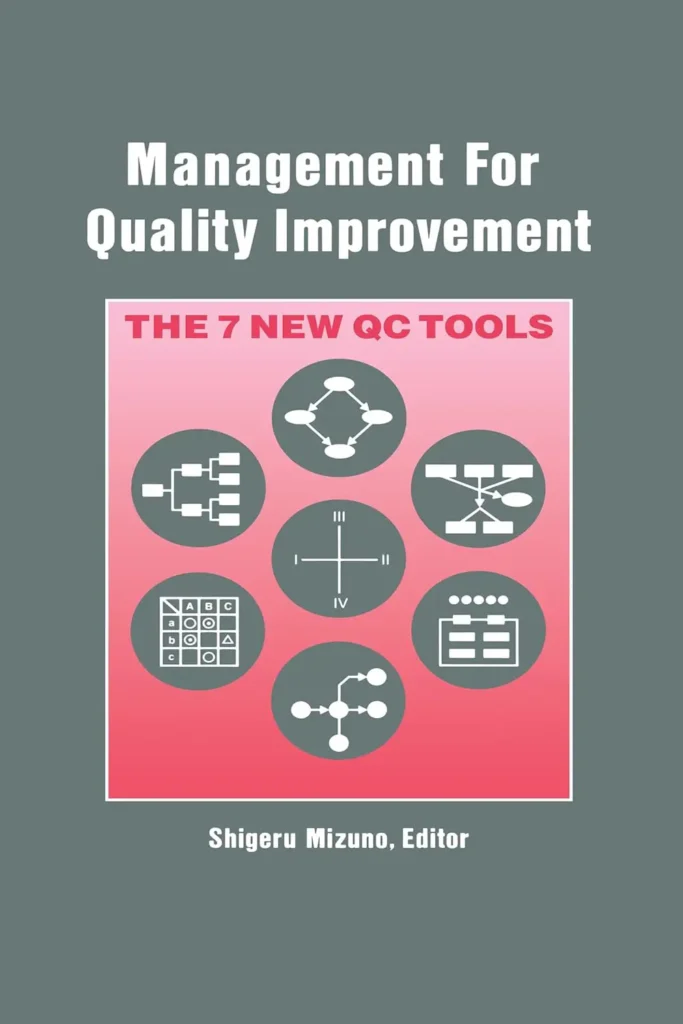
I strongly recommend the official 7 Quality Tools for World class Problem Solving for auditors working in automotive supplier quality.

Career Growth and Job Opportunities in 2026:

Career Path After Green Belt Certification:

Many professionals ask me what happens after they complete their Six Sigma green belt certification. The good news is that it opens multiple career opportunities across industries.

Typical roles after Green Belt include:

  • Quality Analyst
  • Process Improvement Specialist
  • Operations Executive
  • Manufacturing Engineer

In 2026, companies are actively hiring Green Belts because they bring structured problem-solving skills. According to recent reports, nearly 60% of mid-level quality roles prefer candidates with Green Belt certification.

Career Growth After Black Belt Certification:

Once you become a Black Belt, your career growth becomes much faster. You move into leadership roles and get opportunities to work on high-impact projects.

Common roles for Black Belts include:

  • Quality Manager
  • Operational Excellence Manager
  • Process Improvement Lead
  • Continuous Improvement Head

I have personally seen professionals move into senior management roles within 3–5 years after completing their Black Belt certification. This is why the quality professional salary 2026 is much higher for Black Belts.

Industry Demand for Six Sigma Professionals:

In 2026, the demand for Six Sigma professionals is growing across multiple industries. Companies are focusing more on efficiency, cost reduction, and customer satisfaction.

High-demand industries include:

  • Manufacturing
  • IT and Software
  • Healthcare
  • Logistics and Supply Chain
  • Banking and Financial Services

For example, in healthcare, Six Sigma is used to reduce patient waiting time and improve service quality. In IT, it helps in reducing defects and improving delivery timelines.

Global Demand and Salary Trends:

The global demand for Six Sigma professionals has increased by around 15% in the last two years. This growth is expected to continue as companies invest more in digital transformation and process improvement.

In the Six Sigma salary US market:

  • Green Belts see steady growth
  • Black Belts see faster salary increases
  • Leadership roles offer additional bonuses

In many organizations, Black Belts also receive performance bonuses based on cost savings achieved through their projects.

Tools Used by Green Belt vs Black Belt:

Tools Commonly Used by Green Belts:

Green Belts mainly use basic quality tools to analyze and improve processes. These tools are simple but very powerful when used correctly.

Common tools include:

  • Pareto Chart
  • Fishbone Diagram
  • Histogram
  • Control Charts
  • Check Sheets

I always recommend mastering these tools before moving to advanced levels. In one project, a simple control chart helped us identify process variation that was causing delays.

Tools Used by Black Belts:

Black Belts use more advanced tools because they deal with complex problems. These tools require deeper understanding and experience.

Some commonly used tools are:

  • Regression Analysis
  • Hypothesis Testing
  • Design of Experiments (DOE)
  • Failure Mode and Effects Analysis (FMEA)
  • Statistical Software like Minitab

For example, in one of my Black Belt projects, we used DOE to optimize a manufacturing process. This resulted in a 25% reduction in defects, which had a huge financial impact.

Software Tools for Six Sigma Professionals:

In 2026, software tools play a big role in Six Sigma projects. Both Green Belts and Black Belts use tools to analyze data and present insights.

Popular tools include:

  • Minitab
  • Microsoft Excel
  • Power BI
  • Tableau

These tools help in making data-driven decisions, which is a key requirement in modern organizations.

Example of Tool Usage in Real Projects:

Let me share a simple example.

A Green Belt used Excel to analyze defect data and identified a recurring issue. A Black Belt then used Minitab to perform deeper analysis and redesign the process.

This collaboration shows how both roles complement each other in real-world projects.

Real-World Case Studies and Examples:

Case Study 1: Manufacturing Industry

In a manufacturing company I worked with, a Green Belt identified that machine downtime was increasing. By analyzing the data, he found that maintenance delays were the main cause.

After that, a Black Belt took over and redesigned the maintenance process. This reduced downtime by 30% and improved overall productivity.

Case Study 2: Healthcare Industry

In a hospital project, a Green Belt worked on reducing patient waiting time. By collecting data, he identified bottlenecks in the registration process.

A Black Belt then implemented a new system that reduced waiting time by 40%. This improved patient satisfaction and hospital efficiency.

Case Study 3: IT Industry

In an IT company, a Green Belt identified frequent defects in software releases. The issue was escalated to a Black Belt, who used root cause analysis and process improvement techniques.

As a result, defect rates reduced by 35%, and delivery timelines improved significantly.

Key Learnings from These Case Studies:

From these examples, one thing is clear—both Green Belts and Black Belts play important roles. However, Black Belts have a bigger impact because they handle larger and more complex problems.

This directly influences the Six Sigma green belt vs black belt salary comparison, as organizations value higher impact roles more.

Books for Six Sigma Professionals:

Here are some highly recommended books:

  • The Six Sigma Handbook
  • Lean Six Sigma for Beginners
  • Six Sigma for Dummies

These books provide practical knowledge and are useful for both beginners and advanced professionals.

Online Courses and Certifications:

You can explore:

  • ASQ certification programs
  • IASSC certification courses
  • Coursera and Udemy courses

Always choose courses that include real-world projects.

Useful Product Tools (for Learning):

You can consider using:

  • Minitab Software (for statistical analysis)
  • Excel Templates for Six Sigma projects
  • Process Mapping Tools

These tools help you gain hands-on experience.

Pros and Cons: Green Belt vs Black Belt

Advantages of Six Sigma Green Belt:

From my experience mentoring professionals, starting with a Green Belt is always a smart move. It gives you a strong foundation without overwhelming you with advanced concepts. 

Many professionals prefer this level because it balances learning with their current job responsibilities.

One of the biggest advantages is that you can apply what you learn immediately. You don’t need to wait for a leadership role to start making an impact. In fact, many organizations encourage employees to take up green belt project requirements as part of their daily work.

Some key benefits include:

  • Easy entry into Six Sigma
  • Lower certification cost
  • Immediate application in job
  • Good starting point for career growth

For example, I have seen fresh graduates use their Green Belt skills to improve small processes and gain recognition within just a few months.

Limitations of Green Belt Role:

While Green Belt is a great starting point, it does have some limitations. The biggest challenge is limited authority. You may identify problems, but you might not always have the power to implement large changes.

Another limitation is salary growth. Compared to Black Belts, the increase in earnings is slower. This is one of the reasons why many professionals eventually move toward Black Belt certification.

In simple terms:

  • Limited leadership role
  • Smaller project scope
  • Slower salary growth

This is why understanding the Six Sigma green belt vs black belt salary 2026 comparison becomes important for long-term planning.

Advantages of Black Belt Certification:

Black Belt certification is where real transformation happens. You move from being a contributor to a leader. This shift brings higher responsibility, better recognition, and significantly higher pay.

One major advantage is the ability to influence business decisions. Black Belts often work directly with senior management and play a key role in strategic planning.

Key benefits include:

  • Higher salary potential
  • Leadership opportunities
  • Larger project impact
  • Faster career growth

In my own journey, moving to a Black Belt role helped me lead cross-functional teams and deliver projects that saved over $500,000 annually.

Challenges of Being a Black Belt:

However, being a Black Belt is not easy. The expectations are high, and the pressure to deliver results can be intense. You are responsible for project success, and failure can impact business outcomes.

Another challenge is the learning curve. Advanced statistical tools and leadership responsibilities require continuous learning and practice.

Some common challenges include:

  • High responsibility
  • Complex problem-solving
  • Need for strong leadership skills

But in my opinion, the rewards far outweigh the challenges, especially when you look at the quality professional salary 2026 trends.

Recommended Reference Materials and Audit Resources:

For professionals wanting to perform stronger audits, these references are extremely useful:

I strongly recommend the official 7 Quality Tools for World class Problem Solving for auditors working in automotive supplier quality.

Which One Should You Choose in 2026?

Choosing Based on Career Stage:

If you are just starting your career, I always recommend beginning with a Green Belt. It helps you understand the basics and build confidence. You can then move to a Black Belt once you gain some experience.

For mid-level professionals, going directly for Black Belt can be a good option if you already have experience in quality or operations. This saves time and accelerates your career growth.

A simple guideline:

  • Beginners → Start with Green Belt
  • Experienced professionals → Consider Black Belt

This approach works well in most cases.

Choosing Based on Career Goals:

Your career goals also play a big role in this decision. If you want to stay in a technical role, Green Belt may be enough. But if you aim for leadership positions, Black Belt is the better choice.

For example, if your goal is to become a Quality Manager or Operational Excellence Head, Black Belt certification is almost essential. It prepares you for leadership and strategic roles.

Choosing Based on Industry Demand:

In 2026, industries are looking for professionals who can deliver measurable results. While Green Belts are in demand, Black Belts are preferred for leadership roles.

In sectors like IT and healthcare, companies are willing to pay premium salaries for experienced Black Belts. This is why the Six Sigma salary US trend shows higher growth for Black Belt roles.

My Personal Recommendation:

As someone who has worked in quality for years, my advice is simple—start with Green Belt, but don’t stop there. Plan your journey toward Black Belt as early as possible.

This structured approach helps you build skills step by step and achieve long-term success in your Six Sigma career path.

Step-by-Step Roadmap: Green Belt to Black Belt

Step 1: Complete Green Belt Certification

The first step is to complete a recognized Six Sigma green belt certification. Choose a program that includes practical projects and real-world examples.

Make sure you understand the DMAIC methodology thoroughly. This will be the foundation for your future growth.

Step 2: Gain Practical Experience

After certification, focus on applying your knowledge. Work on real projects in your organization and document your results.

In my experience, hands-on learning is more valuable than theoretical knowledge. Try to complete at least 2–3 projects before moving to the next level.

Step 3: Learn Advanced Tools

Before starting Black Belt training, build your knowledge of advanced tools. This includes statistical analysis, hypothesis testing, and process optimization techniques.

You can use tools like Minitab or Excel to practice. This preparation makes Black Belt training much easier.

Step 4: Enroll in Black Belt Certification

Choose a reputed program such as ASQ black belt certification or other recognized courses. Ensure the program includes project mentoring and practical application.

Keep in mind that the black belt training cost is higher, but the return on investment is also much better.

Step 5: Lead Projects and Build Leadership Skills

Once certified, focus on leading projects and mentoring others. This is where you truly grow as a professional.

Take ownership of projects and aim to deliver measurable results. This will help you stand out and achieve higher salary growth.

Common Mistakes to Avoid:

Ignoring Practical Experience:

One of the biggest mistakes I see is focusing only on certification. Without practical experience, it is difficult to apply what you learn.

Always work on real projects to build confidence and skills.

Choosing the Wrong Certification:

Not all certifications have the same value. Always choose recognized programs like IASSC green belt or ASQ certifications.

This ensures better career opportunities and higher credibility.

Not Developing Soft Skills:

Technical skills alone are not enough. Communication and leadership skills are equally important, especially for Black Belts.

Work on presenting your ideas clearly and managing teams effectively.

Delaying Career Progression:

Many professionals stay at the Green Belt level for too long. While it is comfortable, it limits your growth.

Plan your transition to Black Belt early to maximize your earning potential.

Recommended Reference Materials and Audit Resources:

For professionals wanting to perform stronger audits, these references are extremely useful:

I strongly recommend the official Six Sigma for Professionals for auditors working in automotive supplier quality.

Final Thoughts:

From my experience as a Quality Manager and Certified Auditor, Six Sigma is one of the most powerful career paths in 2026. It not only improves your skills but also increases your earning potential significantly.

If you are serious about growth, start your journey today. Focus on learning, applying, and improving continuously. Over time, you will see the difference not just in your salary, but also in your confidence and career opportunities.

Green Belt vs Black Belt Six Sigma in 2026 can be summarized as follows: Green Belts work part-time on smaller projects and earn between $65,000 and $90,000 annually. Black Belts work full-time on strategic projects, lead teams, and earn between $95,000 and $130,000 or more.

The higher salary of Black Belts is due to greater responsibility, leadership roles, and business impact.

The difference between Green Belt and Black Belt in Six Sigma lies in responsibility, skill level, and earning potential. Green Belts focus on departmental improvements, while Black Belts lead organization-wide transformation projects.

In 2026, companies prefer Black Belts for leadership roles, resulting in higher salaries and faster career growth. Professionals often start with Green Belt certification and progress to Black Belt to maximize their career opportunities.

Frequently Asked Questions (FAQs)

1. What is the salary difference between Green Belt and Black Belt in 2026?

The salary difference is significant. Green Belts typically earn between $65,000 and $90,000, while Black Belts earn between $95,000 and $130,000+. This gap exists because Black Belts handle more complex projects and leadership responsibilities.

  • Green Belt: Entry to mid-level roles
  • Black Belt: Senior and leadership roles

2. Is Green Belt enough for a good career?

Yes, Green Belt is a good starting point. It helps you build problem-solving skills and improve processes. However, for long-term growth and higher salary, moving to Black Belt is recommended.

3. How long does it take to become a Black Belt?

It usually takes 1 to 3 years. This includes gaining experience as a Green Belt and completing Black Belt training.

4. Which certification is better: IASSC or ASQ?

Both are good, but ASQ black belt certification is often preferred by employers due to its strong reputation.

5. What industries hire Six Sigma professionals?

Industries like manufacturing, IT, healthcare, and logistics actively hire Six Sigma professionals. Demand is increasing every year.

6. What is the cost of Black Belt certification?

The black belt training cost ranges from $1,500 to $5,000 depending on the provider and course content.

7. Can I skip Green Belt and go directly to Black Belt?

Yes, but it is not recommended unless you have prior experience in quality or process improvement.

8. What tools should I learn for Six Sigma?

Start with basic tools like Pareto charts and fishbone diagrams, then move to advanced tools like regression analysis and DOE.

9. Is Six Sigma still relevant in 2026?

Yes, it is highly relevant. Companies are focusing more on efficiency and cost reduction, increasing demand for Six Sigma professionals.

10. How to increase salary in Six Sigma roles?

To increase salary:

  • Gain practical experience
  • Move from Green Belt to Black Belt
  • Work on high-impact projects
  • Develop leadership skills
This Page uses Affiliate Links. When you Click an Affiliate Link, we get a small compensation at no cost to you. Our Affiliate Disclosure for more info.

Leave a comment