




Six Sigma Project Examples in Manufacturing: Case Studies That Delivered ROI [2026]

In my experience working as a Quality Manager and auditor, I’ve seen how Six Sigma project examples manufacturing case studies ROI are not just theory—they directly impact cost, productivity, and customer satisfaction when applied correctly. 

Many companies still struggle to connect improvement projects with actual financial results, and that’s where practical case studies make a difference.

This article is built from real-world applications, not textbook explanations. I’ll walk you through detailed case studies, practical lessons, and what actually works on the shop floor. 

If you’re someone working in quality, production, or audits, this will give you clear direction on how to drive measurable results.

six-sigma-project-examples-manufacturing-case-studies-roi

What Makes Six Sigma So Powerful in Manufacturing?

Six Sigma works because it focuses on data-driven decisions instead of assumptions. In manufacturing, even a small defect rate can lead to huge losses when production volumes are high. I’ve seen plants lose millions annually just because variation was not controlled properly.

The core idea is simple—reduce variation, improve consistency, and eliminate defects. But the real strength comes from structured methods like DMAIC, which ensure that improvements are not temporary fixes but long-term solutions. 

This is why many Six Sigma success stories manufacturing environments show consistent ROI over time.

From my audits, companies that properly implement Six Sigma often see:

  • 20%–40% reduction in defects
  • 15%–30% improvement in cycle time
  • Significant Six Sigma cost savings within the first year

These are not exaggerated numbers—they are common when projects are executed correctly.

What are Six Sigma project examples in manufacturing?

Six Sigma project examples in manufacturing are real-world improvement initiatives that use data and structured methods like DMAIC to reduce defects, improve process efficiency, and deliver measurable ROI such as cost savings, waste reduction, and better product quality.

Six Sigma in manufacturing focuses on reducing process variation and improving quality through structured problem-solving methods. Real case studies show that organizations achieve strong ROI by targeting defects, cycle time, and waste. 

Common applications include defect reduction in assembly lines, downtime reduction in machining processes, and yield improvement in production systems. When aligned with business goals, Six Sigma projects consistently deliver measurable financial benefits.

Recommended Reference Materials and Audit Resources:

For professionals wanting to perform stronger audits, these references are extremely useful:

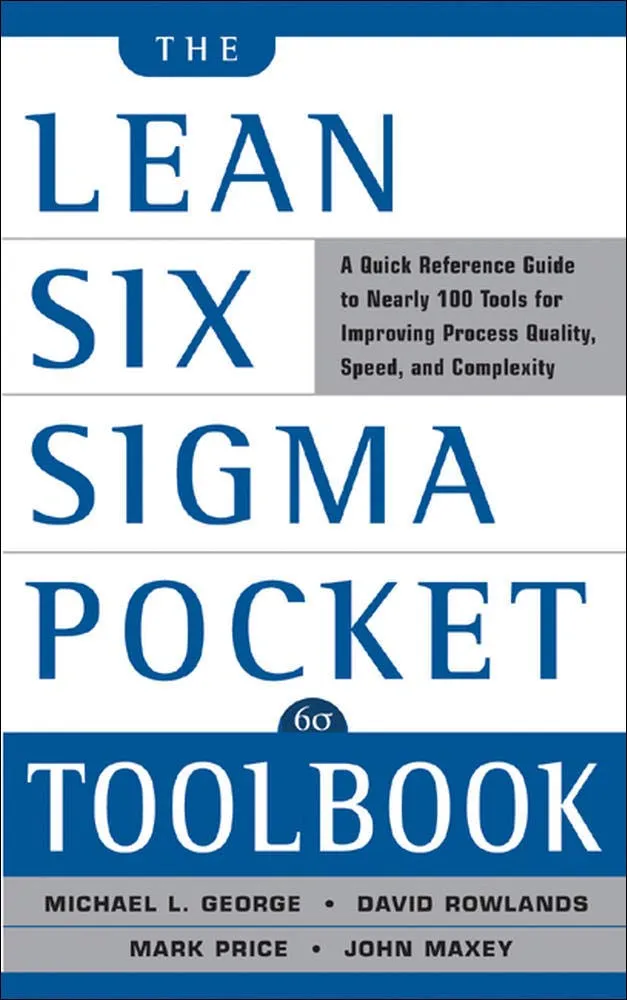
I strongly recommend the official Six Sigma for Professionals for auditors working in automotive supplier quality.

Understanding ROI in Six Sigma Projects:

Before jumping into case studies, let me clarify how ROI works in Six Sigma. Many professionals make the mistake of focusing only on technical improvements without linking them to business impact. That approach rarely gets management support.

ROI in Six Sigma is usually calculated based on:

  • Cost savings from defect reduction
  • Productivity gains
  • Reduced rework and scrap
  • Lower customer complaints

For example, in one quality improvement case study I handled, reducing rejection rates by just 2% saved nearly ₹1.2 crore annually. The improvement looked small on paper, but the financial impact was huge.

Another important point—ROI is not always immediate. Some projects show returns within 3 months, while others take 6–12 months. But when done right, the results are sustainable.

Case Study 1: Defect Reduction in Automotive Manufacturing

Let me start with a classic Six Sigma automotive project that clearly demonstrates defect reduction and ROI.

Problem Statement:

A mid-sized automotive component manufacturer was facing a defect rate of 8% in its assembly line. This led to high rework costs, delayed deliveries, and customer complaints.

The management initially thought the issue was operator error. But after conducting a proper DMAIC case study, we discovered that the real problem was variation in torque application during assembly.

Approach (DMAIC in Action):

  • Define: Identified high rejection rates affecting customer satisfaction
  • Measure: Collected torque data across multiple shifts
  • Analyze: Found inconsistent torque due to tool calibration issues
  • Improve: Introduced automatic torque control systems
  • Control: Implemented calibration schedules and control charts

This is a perfect example of how data reveals the actual root cause instead of assumptions.

Results and ROI:

After implementation:

  • Defect rate dropped from 8% to 1.5%
  • Rework costs reduced by over 60%
  • Annual savings exceeded ₹2.5 crore

This is one of the strongest defect reduction Six Sigma examples I’ve personally been involved in.

Case Study 2: Waste Reduction in Process Manufacturing

In another project, I worked with a chemical manufacturing unit struggling with excessive raw material waste. This is a textbook waste reduction Six Sigma scenario.

Problem Statement:

The plant was losing nearly 5% of raw materials during processing. This directly affected profitability since raw materials accounted for 60% of total cost.

Initially, the team believed this loss was unavoidable. But data told a different story.

Approach:

We conducted a detailed process mapping and statistical analysis. The root cause turned out to be temperature variation during mixing, which caused material degradation.

Actions taken:

  • Installed temperature monitoring sensors
  • Standardized operating procedures
  • Trained operators on control limits

Results:

  • Waste reduced from 5% to 1.2%
  • Annual savings: ₹3 crore
  • Process stability improved significantly

This is a strong lean Six Sigma manufacturing example where small process control changes created huge financial impact.

Case Study 3: Cycle Time Reduction in Electronics Manufacturing

Cycle time is one of the biggest hidden costs in manufacturing. I’ve seen companies ignore it, thinking it only affects speed—but it directly impacts revenue.

Problem Statement:

An electronics manufacturer had a cycle time of 45 minutes per unit, which limited production capacity.

Demand was high, but the plant could not meet it.

Approach:

Using Six Sigma tools:

  • Conducted time study
  • Identified bottlenecks
  • Applied line balancing techniques

We discovered that one inspection stage was taking unnecessary time due to manual checks.

Improvements:

  • Introduced automated inspection systems
  • Removed redundant checks
  • Balanced workload across stations

Results:

  • Cycle time reduced from 45 minutes to 28 minutes
  • Production capacity increased by 35%
  • Revenue increased without additional investment

This is a classic example of process improvement ROI without increasing manpower or machinery.

Case Study 4: Reducing Customer Complaints in FMCG Manufacturing

Customer complaints are often ignored until they become a major issue. But they are one of the strongest indicators of process failure.

Problem Statement:

An FMCG company faced increasing complaints about packaging defects. The issue was affecting brand reputation and repeat sales.

Approach:

We applied Six Sigma methodology:

  • Collected complaint data
  • Identified defect patterns
  • Conducted root cause analysis

The issue was traced to inconsistent sealing temperature in packaging machines.

Improvements:

  • Standardized machine settings
  • Introduced real-time monitoring
  • Trained operators

Results:

  • Complaints reduced by 70%
  • Customer satisfaction improved significantly
  • Brand reputation stabilized

This is a powerful quality improvement case study showing how Six Sigma impacts not just cost but also customer trust.

Why These Case Studies Matter for Professionals?

From my perspective, the biggest mistake professionals make is focusing only on tools instead of results. Tools like Pareto charts, fishbone diagrams, and control charts are important—but they are just means to an end.

What truly matters is:

  • Identifying the right problem
  • Linking improvements to financial impact
  • Sustaining the results

These Six Sigma success stories manufacturing environments follow one common principle—discipline in execution.

Key Takeaways from These Case Studies:

Let me summarize the most important lessons from these examples:

  • Always validate problems using data, not assumptions
  • Small improvements can lead to huge financial gains
  • Focus on root causes, not symptoms
  • Sustainability is as important as improvement

And most importantly, every project must answer one question: How does this improve business performance?

Recommended Tools for Six Sigma Projects:

If you’re serious about implementing these projects, having the right tools helps a lot:

  • Minitab – Best for statistical analysis
  • Microsoft Excel – Simple data tracking and analysis
  • JMP – Advanced analytics

These tools are commonly used in real DMAIC case study environments.

Recommended Reference Materials and Audit Resources:

For professionals wanting to perform stronger audits, these references are extremely useful:

I strongly recommend the official Six Sigma for Professionals for auditors working in automotive supplier quality.

Six Sigma project examples manufacturing case studies ROI: Advanced Real-World Applications

As we move deeper, I want to focus on more advanced Six Sigma project examples manufacturing case studies ROI that go beyond basic defect reduction. These are the kinds of projects I typically recommend when organizations are already mature in quality practices and want to scale results.

In my experience, once a company crosses the initial Six Sigma adoption phase, the focus shifts toward end-to-end process optimization. This includes supply chain, inventory, and even vendor quality. These areas often hide bigger financial opportunities compared to shop floor defects.

Another important shift is that projects become more cross-functional. Instead of a single department, teams from production, quality, maintenance, and procurement work together. This is where true process improvement ROI starts becoming visible at a business level.

Case Study 5: Inventory Reduction Without Affecting Production

Inventory is one of the most overlooked areas in manufacturing. I’ve seen companies hold excess stock worth crores just to avoid stockouts, but this ties up working capital unnecessarily.

Problem Statement

A large manufacturing unit was maintaining 45 days of inventory, which increased storage cost and blocked cash flow. Management was hesitant to reduce inventory due to fear of production stoppage.

This is a very common situation in many Six Sigma success stories manufacturing environments.

Approach:

We used a structured DMAIC approach:

  • Analyzed historical consumption data
  • Studied supplier lead times
  • Identified variability in demand patterns

The root cause was not demand fluctuation, but poor planning accuracy and safety stock calculation.

Improvements:

  • Optimized safety stock levels
  • Improved demand forecasting
  • Aligned procurement schedules

Results:

  • Inventory reduced from 45 days to 28 days
  • Working capital freed up by ₹8 crore
  • No production disruption

This is a strong example of Six Sigma cost savings achieved without touching the production process directly.

Case Study 6: Downtime Reduction in CNC Machining

Machine downtime is one of the biggest hidden losses in manufacturing. Many companies accept it as normal, which is a costly mistake.

Problem Statement:

A machining unit reported 18% machine downtime, affecting delivery schedules and capacity utilization.

Operators blamed maintenance delays, while maintenance teams blamed improper usage.

Approach:

We conducted a detailed downtime analysis:

  • Categorized downtime reasons
  • Collected real-time machine data
  • Identified recurring failure patterns

The root cause turned out to be lack of preventive maintenance and improper lubrication schedules.

Improvements:

  • Introduced preventive maintenance plan
  • Installed downtime tracking system
  • Trained operators

Results:

  • Downtime reduced from 18% to 7%
  • Productivity increased by 25%
  • Annual savings exceeded ₹1.8 crore

This is a practical lean Six Sigma manufacturing example that directly improves operational efficiency.

Case Study 7: Yield Improvement in Semiconductor Manufacturing

Yield improvement projects are among the most complex and rewarding Six Sigma initiatives. I’ve seen companies double profitability through yield improvements alone.

Problem Statement:

A semiconductor plant had a yield rate of 82%, which meant 18% of products were either rejected or reworked.

Given the high value of each unit, this resulted in massive losses.

Approach:

Using advanced statistical tools:

  • Conducted design of experiments (DOE)
  • Identified key process parameters
  • Analyzed variation sources

The root cause was variation in deposition thickness during processing.

Improvements:

  • Optimized process parameters
  • Tightened control limits
  • Automated monitoring

Results:

  • Yield improved from 82% to 94%
  • Profit margin increased significantly
  • Defect-related losses reduced drastically

This is one of the most impactful defect reduction Six Sigma examples in high-precision industries.

Case Study 8: Supplier Quality Improvement Project

Supplier quality directly impacts manufacturing performance, yet many organizations ignore it until issues arise.

Problem Statement:

A company faced frequent defects in incoming materials, leading to production delays and rework.

The rejection rate at incoming inspection was around 6%.

Approach:

We extended Six Sigma practices to suppliers:

  • Conducted supplier audits
  • Shared quality standards
  • Implemented incoming quality metrics

The root cause was lack of standardized processes at supplier end.

Improvements:

  • Supplier training programs
  • Standard operating procedures
  • Regular performance reviews

Results:

  • Incoming defect rate reduced from 6% to 1.5%
  • Improved supplier relationships
  • Reduced inspection effort

This is a great quality improvement case study showing how Six Sigma goes beyond internal processes.

Cross-Industry Insight: What Manufacturing Can Learn from Healthcare?

While this article focuses on manufacturing, I always recommend learning from other industries. One powerful example is a Six Sigma healthcare case study.

Example Overview:

A hospital reduced patient waiting time in emergency services using Six Sigma. The problem was similar to manufacturing bottlenecks—too many steps and poor coordination.

Key Learnings for Manufacturing:

  • Process mapping is universal
  • Bottlenecks exist in every system
  • Data-driven decisions always win

Even though the industry is different, the principles remain the same.

Recommended Reference Materials and Audit Resources:

For professionals wanting to perform stronger audits, these references are extremely useful:

I strongly recommend the official Six Sigma for Professionals for auditors working in automotive supplier quality.

How do Six Sigma projects deliver ROI in manufacturing?

Six Sigma projects deliver ROI in manufacturing by reducing defects, minimizing waste, improving cycle time, and optimizing resources. These improvements lead to cost savings, higher productivity, and better customer satisfaction.

Advanced Six Sigma projects in manufacturing focus on system-level improvements such as inventory optimization, downtime reduction, and supplier quality management. 

These projects often involve cross-functional teams and deliver higher ROI compared to basic defect reduction initiatives. Organizations that adopt a data-driven approach consistently achieve better financial and operational results.

How to Select the Right Six Sigma Project for Maximum ROI?

One of the most common questions I get during audits is—“Which project should we pick?” Choosing the wrong project can waste months of effort.

Here’s how I guide teams:

1. Focus on High-Impact Areas:

Always look for problems that:

  • Affect cost significantly
  • Impact customer satisfaction
  • Occur frequently

For example, a recurring defect in high-volume production is a better project than a rare issue.

2. Check Data Availability:

No data means no Six Sigma. Before selecting a project, ensure that:

  • Data is available
  • Data is reliable
  • Data can be measured consistently

Without this, even the best tools won’t help.

3. Align with Business Goals:

Projects must align with company objectives. If the organization is focusing on cost reduction, your project should support that.

This is where many teams fail—they work on technically interesting problems that don’t matter to the business.

Common Mistakes I’ve Seen in Six Sigma Projects:

Let me be honest—many Six Sigma projects fail, not because of the methodology, but because of execution mistakes.

Here are the most common ones:

  • Wrong problem selection
  • Lack of management support
  • Poor data quality
  • No control plan after improvement

I’ve personally seen projects show great results during implementation but fail within months due to lack of control.

Practical Tips to Ensure Project Success:

If you want your project to deliver real ROI, focus on these:

  • Start with a clear problem statement
  • Use simple tools before complex ones
  • Involve the right stakeholders
  • Monitor results continuously

And most importantly, always think from a business perspective.

Turning Six Sigma Project Examples into Repeatable Success:

Now that you’ve seen multiple Six Sigma success stories manufacturing, the next logical step is understanding how to replicate these results consistently. In my role as a Quality Manager and auditor, I’ve noticed that many organizations succeed once but fail to sustain or repeat success.

The reason is simple—there is no structured execution framework. Teams complete a project, present results, and move on without building a system. This is where most of the potential ROI is lost.

To truly benefit from process improvement ROI, companies must shift from project-based thinking to system-based thinking. That means standardizing how projects are selected, executed, and monitored.

Step-by-Step Six Sigma Execution Roadmap (With ROI Focus):

Let me walk you through a practical roadmap that I personally use during audits and consulting assignments. This is not theory—it’s something that works on real shop floors.

Step 1: Identify Business-Critical Problems

Every successful project starts with the right problem. I always ask one simple question: Is this problem worth solving financially?

Focus on:

  • High defect rates
  • High rework cost
  • Frequent downtime
  • Customer complaints

For example, one quality improvement case study I handled focused only on reducing minor packaging defects, but the financial impact was negligible. Compare that with a project targeting scrap reduction, which delivered ₹2 crore savings.

Step 2: Define Clear Project Goals

Once the problem is identified, define measurable goals. Avoid vague statements like “improve quality.”

Instead, use:

  • Reduce defects from 5% to 2%
  • Improve cycle time by 20%
  • Reduce downtime by 30%

Clear goals make it easier to track Six Sigma cost savings and justify the project.

Step 3: Measure the Current Performance

This is where many teams rush, but measurement is critical. Without baseline data, you cannot prove improvement.

Use tools like:

  • Data collection sheets
  • Control charts
  • Process capability analysis

In one DMAIC case study, we discovered that the perceived problem was not even the biggest issue once we analyzed real data.

Step 4: Analyze Root Causes

Root cause analysis is the backbone of Six Sigma. If you fix symptoms instead of causes, the problem will return.

Common tools:

  • Fishbone diagram
  • Pareto analysis
  • Regression analysis

I’ve seen teams jump to solutions without proper analysis, which leads to temporary fixes instead of sustainable results.

Step 5: Implement Improvements

This is the action phase where ideas turn into results. Always test solutions before full implementation.

Examples:

  • Automation to reduce human error
  • Process standardization
  • Equipment upgrades

In a lean Six Sigma manufacturing example, introducing a simple sensor reduced defects by 40%, proving that solutions don’t always have to be complex.

Step 6: Control and Sustain the Gains

This is the most ignored step—and the most important one. Without control, improvements fade away.

Control methods:

  • Standard operating procedures (SOPs)
  • Control charts
  • Regular audits

From my audit experience, nearly 60% of projects lose effectiveness within 6 months due to poor control.

Recommended Reference Materials and Audit Resources:

For professionals wanting to perform stronger audits, these references are extremely useful:

I strongly recommend the official Six Sigma for Professionals for auditors working in automotive supplier quality.

ROI Tracking:

How to Measure Financial Impact Correctly?

Let’s be practical—management cares about numbers. If you cannot show ROI, your project will not get attention.

Key Metrics to Track:

  • Cost savings from defect reduction
  • Reduction in scrap and rework
  • Increased production output
  • Reduced downtime

For example, in one Six Sigma automotive project, reducing defect rates by 3% resulted in annual savings of ₹1.5 crore. The improvement looked small, but the financial impact was huge.

Simple ROI Formula:

You can calculate ROI using:

ROI = (Net Savings – Project Cost) / Project Cost × 100

Always include:

  • Implementation cost
  • Training cost
  • Tool/software cost

This ensures transparency and builds trust with management.

How to track ROI in Six Sigma manufacturing projects?

ROI in Six Sigma manufacturing projects is tracked by measuring cost savings from defect reduction, waste elimination, productivity improvement, and reduced downtime, then comparing these savings against the total project cost.

A successful Six Sigma implementation in manufacturing requires a structured approach that connects process improvements to financial outcomes. 

Organizations that follow a clear roadmap—from problem identification to control—consistently achieve measurable ROI. Tracking cost savings, productivity gains, and defect reduction ensures that projects deliver long-term business value.

Real Audit Insights: What Actually Works on the Shop Floor?

Let me share some honest insights from audits I’ve conducted across multiple industries.

1. Simplicity Wins Over Complexity:

Many teams try to use advanced tools unnecessarily. In reality, basic tools used correctly deliver better results than complex tools used poorly.

I’ve seen projects fail because teams focused more on impressing with tools rather than solving the problem.

2. Operator Involvement is Critical:

Operators understand the process better than anyone else. Ignoring them is a big mistake.

In one defect reduction Six Sigma project, the root cause was identified by an operator within minutes—something the team missed for weeks.

3. Data Integrity is Non-Negotiable:

If your data is wrong, your conclusions will also be wrong. Always validate data before analysis.

4. Management Support Drives Success:

Without leadership support, even the best projects struggle. Management must:

  • Provide resources
  • Remove barriers
  • Monitor progress

This is common across all Six Sigma success stories manufacturing environments.

Practical Templates You Can Use Immediately:

Here are some simple templates I recommend:

Project Charter Template:

  • Problem statement
  • Goal statement
  • Scope
  • Expected benefits

Data Collection Sheet:

  • Date
  • Process parameter
  • Observed value
  • Remarks

Control Plan Template:

  • Process step
  • Control method
  • Frequency
  • Responsible person

These templates help standardize your DMAIC case study approach.

Recommended Reference Materials and Audit Resources:

For professionals wanting to perform stronger audits, these references are extremely useful:

I strongly recommend the official Six Sigma for Professionals for auditors working in automotive supplier quality.

Final Thoughts:

If you take one thing from this entire article, let it be this—Six Sigma is not about tools, it’s about results. The real value lies in how effectively you connect improvements to business outcomes.

The Six Sigma project examples manufacturing case studies ROI we discussed are proof that even small changes can deliver massive impact when executed correctly. Whether it’s reducing defects, improving yield, or optimizing inventory, the opportunities are everywhere.

As someone who has worked on the ground, I can confidently say that success in Six Sigma comes down to discipline, data, and consistency.

Start small, focus on real problems, and always track your impact.

Final Checklist for Successful Six Sigma Projects:

Before closing any project, I always verify these points:

  • Problem clearly defined
  • Data accurately measured
  • Root cause validated
  • Solution tested
  • Control plan implemented
  • ROI calculated and verified

If any of these steps are missing, the project is incomplete.

Frequently Asked Questions (FAQs)

1. What are Six Sigma project examples in manufacturing and how do they deliver ROI?

Six Sigma project examples in manufacturing are real improvement initiatives that focus on reducing defects, improving efficiency, and lowering costs using structured methods like DMAIC. 

These projects deliver ROI by directly targeting waste, rework, downtime, and process variation, which are major cost drivers in production environments. From my experience, even a small defect reduction of 2–3% can translate into significant annual savings depending on production volume. 

This is why Six Sigma project examples manufacturing case studies ROI are widely used to justify quality investments. Companies that consistently apply these methods often see both short-term savings and long-term operational stability.

2. What is the most common type of Six Sigma project in manufacturing?

The most common Six Sigma projects in manufacturing focus on defect reduction, cycle time improvement, and waste elimination. These areas are critical because they directly impact cost and customer satisfaction. 

In many Six Sigma success stories manufacturing, defect reduction projects alone have reduced rejection rates by more than 50%. Cycle time projects also help increase production capacity without additional investment. 

These types of projects are usually easier to implement and show faster ROI compared to more complex initiatives.

3. How does DMAIC help in real manufacturing case studies?

DMAIC (Define, Measure, Analyze, Improve, Control) provides a structured approach to solving problems in manufacturing. It ensures that decisions are based on data rather than assumptions, which is critical in achieving consistent results. 

In a typical DMAIC case study, teams start by clearly defining the problem and then measure current performance to establish a baseline. The analysis phase helps identify root causes, followed by targeted improvements and long-term control measures. 

This structured approach is why DMAIC is widely used in high-impact quality improvement case study projects.

4. What kind of ROI can companies expect from Six Sigma projects?

The ROI from Six Sigma projects varies depending on the problem and scale of implementation, but it is usually significant. Many organizations report:

  • 20%–40% reduction in defects
  • 15%–30% improvement in productivity
  • Substantial Six Sigma cost savings within 6–12 months

In my experience, even mid-sized manufacturing projects can deliver savings of ₹50 lakhs to ₹3 crore annually. The key is selecting the right problem and executing the project properly. This is why process improvement ROI is one of the main drivers for adopting Six Sigma.

5. How do Six Sigma projects reduce waste in manufacturing?

Six Sigma reduces waste by identifying inefficiencies and eliminating non-value-added activities. This includes excess material usage, rework, waiting time, and overproduction. In many waste reduction Six Sigma projects, data analysis reveals hidden losses that are not visible during daily operations. 

For example, controlling process parameters like temperature or pressure can significantly reduce material waste. Over time, these improvements lead to better resource utilization and higher profitability.

6. What are some real-life Six Sigma automotive project examples?

A typical Six Sigma automotive project focuses on reducing defects in assembly lines, improving supplier quality, or optimizing production flow. 

For instance, one common project involves reducing torque variation in assembly processes, which directly lowers defect rates. Another example includes improving paint quality by controlling environmental conditions. These projects often result in:

  • Reduced rework costs
  • Improved product reliability
  • Higher customer satisfaction

Automotive industries widely adopt Six Sigma because of strict quality standards and high production volumes.

7. How is Six Sigma used in lean manufacturing environments?

In lean environments, Six Sigma complements waste elimination by adding a strong focus on variation reduction. A lean Six Sigma manufacturing example might involve improving line balancing while also reducing defects. 

Lean focuses on speed and flow, while Six Sigma ensures consistency and accuracy. When combined, they deliver faster and more reliable processes. This integration is one of the reasons why many modern manufacturing systems adopt both methodologies together.

8. Can Six Sigma be applied outside manufacturing, like in healthcare?

Yes, Six Sigma is widely used beyond manufacturing, including healthcare, logistics, and service industries. A well-known Six Sigma healthcare case study involves reducing patient waiting time in hospitals by improving process flow and coordination. 

The same principles of data analysis, root cause identification, and process control apply across industries. This shows that Six Sigma is not limited to production—it is a universal problem-solving approach. 

Many lessons from healthcare can also be applied back to manufacturing environments.

9. What tools are commonly used in Six Sigma projects?

Six Sigma projects use a mix of basic and advanced tools depending on the complexity of the problem. Common tools include:

  • Pareto charts
  • Fishbone diagrams
  • Control charts
  • Regression analysis

Software tools like Minitab and Microsoft Excel are widely used for data analysis. These tools help teams make informed decisions and validate improvements. In many defect reduction Six Sigma projects, simple tools often provide the most effective insights.

10. What are the key success factors for Six Sigma projects in manufacturing?

Successful Six Sigma projects depend on a few critical factors that I’ve consistently observed across industries. These include strong leadership support, accurate data, and proper project selection. Teams must also focus on sustaining improvements through control plans and regular monitoring.

Key success factors include:

  • Clear problem definition
  • Reliable data collection
  • Strong team collaboration
  • Continuous monitoring and control

When these elements are in place, Six Sigma project examples manufacturing case studies ROI consistently deliver measurable and sustainable results.

This Page uses Affiliate Links. When you Click an Affiliate Link, we get a small compensation at no cost to you. Our Affiliate Disclosure for more info.

Leave a comment