


FMEA in Healthcare: Reducing Patient Safety Risks with Failure Mode Analysis [2026]

When I started working as a Quality Manager in hospitals, one thing became very clear—most patient safety issues are not sudden, they are predictable. That’s where FMEA in healthcare patient safety plays a critical role. 

It helps teams identify risks before they harm patients, instead of reacting after something goes wrong. This shift from reactive to proactive thinking is what makes FMEA so powerful in clinical environments.

In simple terms, Failure Mode and Effects Analysis (FMEA) is a structured method used to identify where and how a process might fail. 

In healthcare, this means studying processes like medication administration, surgery preparation, or patient admission. 

The goal is to prevent errors before they occur, which directly improves patient outcomes and reduces hospital liability.

FMEA-in-healthcare-patient-safety

Globally, patient safety remains a major concern. According to the World Health Organization (WHO), unsafe care is one of the top causes of death and disability worldwide, with 1 in 10 patients being harmed in healthcare settings. 

That statistic alone shows why tools like hospital risk management FMEA are no longer optional but essential.

As a certified auditor, I always recommend that healthcare teams treat FMEA as part of their daily quality culture, not just a compliance requirement. 

When implemented correctly, it becomes one of the most effective healthcare quality improvement tools available today.

FMEA is not just a technical tool—it is a mindset

It forces teams to think ahead and ask, “What could go wrong?” before something actually does. In healthcare, this is especially important because even small errors can lead to serious harm or even loss of life.

In my experience, many hospitals initially struggle with adopting FMEA because they see it as complex. But once teams understand the basics, it becomes a practical and repeatable method

The process typically involves identifying failure modes, analyzing their impact, and prioritizing actions based on risk levels.

A key advantage of FMEA is that it supports patient safety risk assessment in a structured way. Instead of relying on assumptions, teams use data and expert input to evaluate risks. This makes decision-making more reliable and transparent.

For example, I once worked with a hospital that used a medication error FMEA to analyze their drug dispensing process. They discovered that look-alike packaging was causing confusion among nurses. 

By redesigning labeling and storage, they reduced errors by over 35% within six months.

Recommended Reference Materials and Audit Resources:

For professionals wanting to perform stronger audits, these references are extremely useful:

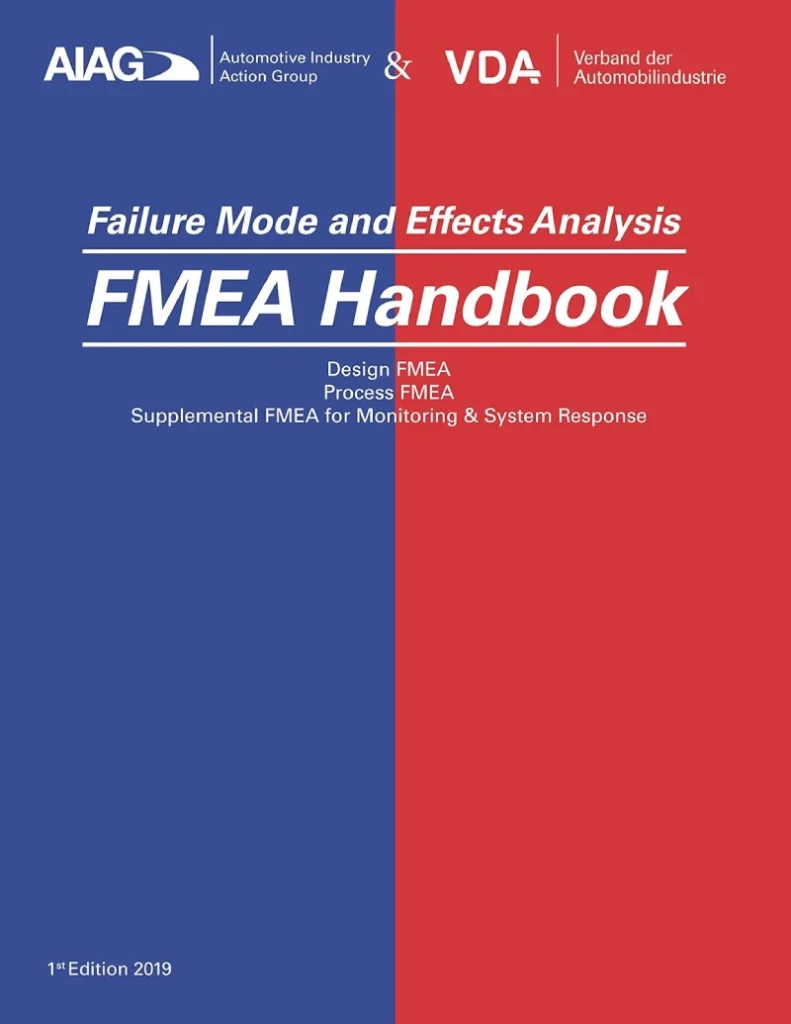
I strongly recommend the official AIAG & VDA FMEA Handbook for auditors working in automotive supplier quality.

How FMEA Works in a Healthcare Setting?

The application of FMEA in healthcare follows a step-by-step approach, but the real value comes from how teams collaborate. It is not a one-person activity; it requires input from doctors, nurses, pharmacists, and administrative staff.

The process starts with selecting a high-risk clinical process

This could be anything from surgical procedures to patient discharge planning. Once selected, the team maps out each step in detail, creating a clear picture of how the process works.

Example Process Flow (Patient Admission):

After mapping the process, the team identifies potential failures at each step. This is where clinical process failure analysis becomes critical. Each failure is then evaluated based on severity, occurrence, and detection.

Finally, risks are prioritized, and corrective actions are planned. 

This structured approach ensures that the most critical risks are addressed first, which is essential in a busy hospital environment.

FMEA in healthcare patient safety – Core Principles and Approach:

One of the biggest strengths of FMEA is its proactive nature. Unlike traditional incident reporting, which looks at past events, FMEA focuses on preventing future issues. This makes it a key tool in any proactive risk analysis hospital strategy.

Another important principle is team collaboration

In healthcare, no single person understands the entire process. By bringing together different departments, FMEA ensures that risks are identified from multiple perspectives.

The third principle is risk prioritization. Not all risks are equal, and FMEA helps teams focus on what matters most. This is done using scoring systems that evaluate severity, likelihood, and detectability.

For example, in a surgical safety FMEA, a delay in instrument sterilization might be rated as high severity but low occurrence. On the other hand, incorrect patient identification might be moderate severity but high occurrence. 

FMEA helps teams decide where to act first.

Understanding HFMEA Methodology in Hospitals:

Healthcare Failure Mode and Effects Analysis (HFMEA) is a specialized version of FMEA designed specifically for healthcare settings. It was developed to address the unique challenges of clinical environments, where processes are often complex and dynamic.

In my audits, I often see hospitals adopting HFMEA methodology because it aligns well with accreditation standards. It also integrates decision trees that help teams determine whether a failure mode requires action or not.

One key difference in HFMEA is the focus on criticality rather than just scoring numbers. Instead of relying only on RPN (Risk Priority Number), HFMEA uses decision points to assess risk. 

This makes it more practical for healthcare teams.

For instance, in a Joint Commission FMEA, hospitals are often required to analyze at least one high-risk process every year. 

HFMEA provides a structured way to meet this requirement while also improving patient safety outcomes.

Real-Life Healthcare FMEA Example:

Let me share a real healthcare FMEA example from a hospital I worked with. The team wanted to reduce delays in emergency room triage. Patients were waiting too long, which increased risk for critical cases.

We mapped the triage process and identified several failure modes. One major issue was incomplete patient information during registration. This caused delays in prioritizing patients.

Emergency Triage Workflow:

After analyzing the risks, we implemented a pre-triage checklist and trained staff on quick data entry. Within three months, patient waiting time reduced by 28%, and critical cases were handled faster.

This example shows how clinical process failure analysis can lead to measurable improvements when done correctly.

Role of FMEA in Hospital Risk Management:

FMEA plays a central role in hospital risk management FMEA programs. It helps organizations identify vulnerabilities in their systems and take preventive actions before incidents occur.

Hospitals that actively use FMEA often see improvements in:

  • Patient safety outcomes
  • Regulatory compliance
  • Operational efficiency

In fact, studies show that hospitals using structured risk assessment tools can reduce adverse events by up to 30–40%. This is a significant improvement, especially in high-risk departments like ICU and surgery.

From my experience, the key to success is consistency. FMEA should not be a one-time activity but an ongoing process integrated into daily operations.

Read more from:

You can read more about the AIAG FMEA changes form here:

Key Areas Where FMEA is Applied in Healthcare:

FMEA can be applied across various departments in a hospital. Some of the most common areas include:

  • Medication management
  • Surgical procedures
  • Patient admission and discharge
  • Laboratory testing processes

Each of these areas has its own risks, and FMEA helps identify and control them effectively. For example, a medication error FMEA can uncover issues like incorrect dosage, wrong patient, or delayed administration.

Similarly, a surgical safety FMEA can help prevent issues like wrong-site surgery or missing instruments. These are critical risks that can have severe consequences if not addressed.

What is HFMEA?

HFEA stands for Healthcare FMEA. 

FMEA in healthcare is a proactive risk assessment method used to identify potential failures in clinical processes before they impact patients. It helps healthcare teams analyze risks, prioritize critical issues, and implement preventive actions. 

By using structured steps like process mapping and failure analysis, hospitals can significantly reduce medical errors and improve patient safety outcomes.

FMEA in healthcare is widely used as a proactive patient safety tool that identifies potential risks in clinical and administrative processes. It supports structured decision-making by evaluating severity, likelihood, and detectability of failures. 

Healthcare organizations use FMEA to improve quality, reduce errors, and meet regulatory standards such as Joint Commission requirements. By integrating FMEA into daily operations, hospitals can build safer systems and deliver better patient outcomes.

Helpful Tools & Resources for FMEA Implementation:

Here are some useful tools that I personally recommend for healthcare teams:

  • FMEA Templates (Excel-based)
  • Risk scoring calculators
  • Process mapping software

Example Resource:

These tools make it easier to implement FMEA without starting from scratch.

Step-by-Step Guide to Implementing FMEA in Healthcare:

When I guide hospital teams, I always tell them that FMEA becomes easy when you follow a clear step-by-step approach. The mistake many organizations make is jumping directly into scoring without properly understanding the process. 

That leads to confusion and poor results. A structured approach ensures that every team member is aligned and contributes effectively.

1. The first step is to select the right process. 

I usually recommend choosing a high-risk area such as medication administration, emergency care, or surgical preparation. 

These areas have a direct impact on patient outcomes and are ideal for patient safety risk assessment. For example, selecting a discharge process can help reduce readmission rates and improve patient satisfaction.

2. The second step is to build a cross-functional team. 

This is very important because healthcare processes involve multiple departments. Doctors, nurses, pharmacists, and quality staff should all be part of the team. 

Their combined knowledge makes the clinical process failure analysis more accurate and practical.

3. The third step is to map the process in detail. 

This includes every small step, from start to finish. I always encourage teams to walk through the process physically if possible. This helps identify hidden risks that are often missed in documentation.

1. Identifying Failure Modes in Clinical Processes:

Once the process is mapped, the next step is to identify all possible ways the process can fail. These are called failure modes

In healthcare, failure modes can range from minor delays to critical errors that impact patient safety.

In my experience, teams often underestimate the number of potential failures. A simple process like medication administration can have dozens of failure points. 

These include wrong dosage, incorrect timing, and miscommunication between staff. This is why medication error FMEA is one of the most commonly used applications in hospitals.

A useful technique I recommend is brainstorming with real-life scenarios. Ask questions like:

  • What could go wrong at this step?
  • What happens if this step is skipped?
  • What if incorrect information is used?

For example, during a hospital risk management FMEA, one team identified that handwritten prescriptions were often misread. This led to incorrect medication being dispensed. 

By switching to electronic prescriptions, they significantly reduced this risk.

2.Risk Analysis: Severity, Occurrence, and Detection

After identifying failure modes, the next step is to analyze the risk associated with each one. 

This is done using three key factors: severity, occurrence, and detection. These factors help prioritize which risks need immediate attention.

Severity measures how serious the impact of a failure is on the patient. In healthcare, severity can range from minor discomfort to life-threatening situations. 

For example, a delay in medication might be moderate severity, while administering the wrong drug could be critical.

Occurrence refers to how often a failure is likely to happen. This is usually based on historical data or team experience. In a proactive risk analysis hospital setup, teams use past incident reports to estimate occurrence accurately.

Detection measures how likely it is that the failure will be detected before it reaches the patient. A failure that is easily detected has a lower risk compared to one that goes unnoticed.

3. Calculating Risk Priority Number (RPN) in Healthcare:

The Risk Priority Number (RPN) is calculated by multiplying severity, occurrence, and detection scores. This helps rank risks and decide which ones need immediate action.

RPN = S × O × D

In healthcare, RPN provides a simple way to prioritize risks, but it should not be the only decision factor. I always advise teams to also consider clinical judgment and regulatory requirements.

For example, a failure with moderate RPN but very high severity should still be addressed urgently. This is especially true in surgical safety FMEA, where even rare errors can have serious consequences.

In one hospital project, we identified a failure mode with an RPN of 180 related to delayed lab results. By improving communication between departments, we reduced the RPN to below 80 within a few months.

4. Practical Example: Medication Error FMEA

Medication errors are one of the most common risks in healthcare. According to studies, medication errors harm at least 1.5 million patients annually worldwide. This makes medication error FMEA a critical focus area.

Let me walk you through a simple example. The process starts with prescribing medication, followed by dispensing and administration. Each step has potential failure modes that need to be analyzed.

Medication Process Flow:

In one case, we identified that similar drug names were causing confusion. The severity was high because incorrect medication could harm patients. The occurrence was moderate, and detection was low because errors were not always caught.

To address this, we implemented:

  • Tall man lettering for drug names
  • Barcode scanning systems
  • Double-check procedures

These actions reduced medication errors by over 40% within six months.

5. Practical Example: Surgical Safety FMEA

Surgical procedures involve multiple steps and teams, making them high-risk areas. A surgical safety FMEA helps identify risks before they lead to serious incidents.

One common failure mode is incorrect patient identification. This can result in wrong-site surgery, which is a critical safety issue. 

According to global data, surgical errors occur in about 1 in 5,000 procedures, which is still significant given the volume of surgeries.

Surgical Workflow Example:

In one hospital, we used FMEA to analyze the surgical checklist process. We found that time-out procedures were not consistently followed. This increased the risk of errors.

By standardizing checklists and conducting staff training, the hospital achieved:

  • 100% compliance with time-out procedures
  • Reduction in near-miss incidents
  • Improved team communication

Using FMEA for Clinical Process Failure Analysis:

FMEA is highly effective for clinical process failure analysis because it breaks down complex systems into manageable parts. This allows teams to focus on specific risks and address them systematically.

In my audits, I have seen FMEA applied to processes like:

  • Patient discharge planning
  • Infection control procedures
  • Diagnostic testing workflows

Each of these processes has unique risks that can impact patient outcomes. By analyzing them in detail, hospitals can improve both safety and efficiency.

For example, in an infection control FMEA, one hospital identified that improper hand hygiene was a major risk factor. By implementing strict monitoring and training, they reduced infection rates by 25% within a year.

Integration with Joint Commission and Accreditation Standards:

FMEA is not just a best practice—it is often a requirement for accreditation. Organizations like the Joint Commission expect hospitals to conduct proactive risk assessments regularly.

A Joint Commission FMEA typically focuses on high-risk processes and requires documented evidence of analysis and improvement actions. This aligns well with the HFMEA methodology used in healthcare.

In my experience, hospitals that integrate FMEA into their quality systems find it easier to meet accreditation requirements. It also demonstrates a strong commitment to patient safety.

For reference, you can explore:

These resources provide valuable guidance on implementing risk management practices.

Common Mistakes to Avoid in Healthcare FMEA:

Even though FMEA is a powerful tool, I have seen many teams struggle due to common mistakes. Avoiding these can significantly improve your results.

One common mistake is overcomplicating the process. Teams sometimes create very detailed analysis that becomes difficult to manage. It is better to keep the approach simple and focused.

Another mistake is lack of team involvement. FMEA should not be done by a single person. Without input from different departments, important risks may be missed.

A third mistake is not taking action. Identifying risks is only the first step. The real value comes from implementing corrective actions and monitoring their effectiveness.

How to Implement FMEA in Healthcare?

To implement FMEA in healthcare, start by selecting a high-risk process, form a cross-functional team, and map the process steps. 

  • Identify potential failure modes, analyze risks using severity, occurrence, and detection, and calculate RPN to prioritize actions. 
  • Finally, implement corrective measures and monitor improvements to enhance patient safety.

Healthcare organizations use FMEA as a structured method to identify and reduce risks in clinical processes such as medication administration and surgery. 

By evaluating failure modes based on severity, occurrence, and detection, teams can prioritize high-risk areas and implement preventive actions. 

FMEA also supports compliance with accreditation standards and improves overall healthcare quality. When applied consistently, it leads to measurable reductions in medical errors and enhanced patient safety outcomes.

Recommended Reference Materials and Audit Resources:

For professionals wanting to perform stronger audits, these references are extremely useful:

I strongly recommend the official AIAG & VDA FMEA Handbook for auditors working in automotive supplier quality.

Read more from:

You can read more about the AIAG FMEA changes form here:

Advanced Strategies for Using FMEA in Healthcare:

As I progressed in my career as a Quality Manager and Auditor, I realized that basic FMEA is only the starting point. 

Hospitals that truly improve patient outcomes go beyond the basics and adopt advanced FMEA strategies. These strategies focus on integration, real-time monitoring, and continuous improvement.

One effective approach is integrating FMEA with other healthcare quality improvement tools such as Root Cause Analysis (RCA) and Six Sigma. 

While FMEA is proactive, RCA is reactive. When both are used together, hospitals can cover both prevention and correction. This combination creates a strong safety system that reduces repeat incidents.

Another advanced strategy is using data-driven FMEA. Instead of relying only on team judgment, hospitals use real-time data from incident reports, electronic health records, and dashboards. 

This improves the accuracy of patient safety risk assessment and helps teams identify trends faster.

For example, one hospital I worked with integrated FMEA into their digital incident reporting system. This allowed them to automatically flag high-risk processes and update risk scores dynamically. 

As a result, they reduced adverse events by over 32% within one year.

Digital Tools and Software for Healthcare FMEA:

In today’s healthcare environment, manual FMEA is slowly being replaced by digital tools. These tools make the process faster, more accurate, and easier to manage across departments.

Some commonly used features in FMEA software include:

  • Automated risk scoring
  • Process mapping tools
  • Real-time dashboards
  • Audit tracking and reporting

Example FMEA Software Dashboard:

From my experience, hospitals that adopt digital tools see faster implementation and better tracking of actions. It also helps during audits because all records are easily accessible.

Some useful platforms and resources include:

These platforms support hospital risk management FMEA and improve overall efficiency.

Benefits of FMEA in Healthcare: Real Impact and ROI

Many healthcare leaders ask me one question—what is the return on investment (ROI) of FMEA? The answer is simple: the benefits are both financial and clinical.

From a financial perspective, preventing errors reduces costs related to:

  • Patient re-admissions
  • Legal claims
  • Extended hospital stays

Studies show that preventable medical errors cost billions globally each year. Hospitals that implement proactive risk analysis hospital strategies can reduce these costs significantly.

From a clinical perspective, the benefits include:

  • Improved patient outcomes
  • Reduced mortality rates
  • Better staff confidence and morale

In one project, a hospital reduced infection rates by 25%, which directly improved patient recovery times. This also reduced treatment costs and increased patient satisfaction scores.

Challenges in Implementing FMEA in Hospitals:

Despite its benefits, implementing FMEA is not always easy. I have seen many hospitals struggle due to practical challenges.

One major challenge is lack of time and resources. Healthcare staff are often busy, and dedicating time for FMEA can be difficult. This is why management support is critical for successful implementation.

Another challenge is resistance to change. Staff may feel that FMEA adds extra work without immediate benefits. To overcome this, I always recommend starting with small pilot projects that show quick results.

A third challenge is inconsistent data. Without reliable data, risk assessment becomes less accurate. Hospitals need strong data collection systems to support effective FMEA.

Best Practices for Effective FMEA in Healthcare:

Over the years, I have developed a set of best practices that consistently deliver results. These are practical tips that any healthcare organization can follow.

First, always start small and scale gradually. Choose one high-risk process and implement FMEA successfully before expanding to other areas.

Second, ensure strong leadership support. When management is involved, teams are more motivated and committed.

Third, focus on continuous improvement. FMEA is not a one-time activity. It should be reviewed and updated regularly.

Here are some quick best practices:

  • Use simple scoring systems
  • Involve frontline staff
  • Track and measure results
  • Document all actions

Role of FMEA in Building a Patient Safety Culture:

FMEA is not just a tool—it is a culture builder. Hospitals that use FMEA regularly develop a mindset of prevention rather than reaction.

In my experience, this cultural shift leads to:

  • Better communication between teams
  • Increased accountability
  • Higher trust among staff

When staff feel safe to report risks and suggest improvements, the entire system becomes stronger. This is the foundation of safe and reliable healthcare delivery.

For example, one hospital created a monthly FMEA review meeting. This encouraged staff to share ideas and discuss risks openly. Over time, this improved both safety and teamwork.

Key References and Useful Links:

These sources provide reliable information and support continuous learning.

Future Trends: FMEA in Healthcare Beyond 2026:

Looking ahead, FMEA in healthcare is expected to evolve with technology. Artificial intelligence and machine learning will play a major role in risk prediction and analysis.

Future trends include:

  • AI-based risk prediction models
  • Integration with electronic health records
  • Real-time monitoring systems

These advancements will make clinical process failure analysis more accurate and proactive. Hospitals will be able to predict risks before they even occur.

Another trend is the increasing focus on patient-centered care. FMEA will be used not only for clinical processes but also for improving patient experience.

FMEA in Healthcare?

FMEA in healthcare helps reduce patient safety risks by identifying potential failures in clinical processes before they occur. 

It improves quality, reduces medical errors, and supports compliance with accreditation standards. Hospitals using FMEA see better patient outcomes, lower costs, and stronger safety culture.

FMEA is a proactive risk management tool widely used in healthcare to enhance patient safety and improve clinical outcomes. 

By identifying failure modes and prioritizing risks, healthcare teams can implement preventive actions and reduce errors. 

Advanced integration with digital tools and data analytics further strengthens its effectiveness. As healthcare evolves, FMEA will continue to play a key role in building safer and more efficient systems.

Final Conclusion:

As someone who has implemented FMEA across multiple healthcare organizations, I can confidently say that it is one of the most powerful tools for improving patient safety. It helps teams think ahead, identify risks, and take action before problems occur.

The real strength of FMEA lies in its simplicity and adaptability. Whether you are working in a small clinic or a large hospital, you can use FMEA to improve processes and protect patients.

If you are serious about quality improvement and patient safety, start with one process today. 

Build your team, map the process, and begin your analysis. 

Over time, you will see measurable improvements that make a real difference.

Frequently Asked Questions (FAQs)

1. What is FMEA in healthcare and why is it important?

FMEA in healthcare is a structured method used to identify and prevent risks in clinical processes before they impact patients. It is important because it shifts the focus from reacting to errors to preventing them. 

This approach improves patient safety and reduces medical errors significantly.

  • Helps identify risks early
  • Improves decision-making
  • Supports compliance

2. How is HFMEA different from traditional FMEA?

HFMEA is specifically designed for healthcare environments and includes decision trees for better risk evaluation. Unlike traditional FMEA, it focuses more on criticality rather than just numerical scoring.

  • More practical for hospitals
  • Aligns with accreditation standards
  • Easier decision-making

3. What are common examples of FMEA in healthcare?

Common examples include medication error analysis, surgical safety checks, and infection control processes. These areas have high risks and benefit greatly from proactive analysis.

  • Medication error FMEA
  • Surgical safety FMEA
  • Infection control FMEA

4. How does FMEA improve patient safety?

FMEA improves patient safety by identifying potential failures before they occur and implementing preventive actions. This reduces the chances of errors and improves overall care quality.

5. What are the main steps in healthcare FMEA?

The main steps include selecting a process, mapping it, identifying failure modes, analyzing risks, and implementing corrective actions.

6. What is RPN in healthcare FMEA?

RPN stands for Risk Priority Number and is used to prioritize risks based on severity, occurrence, and detection.

7. Can small hospitals use FMEA effectively?

Yes, small hospitals can use FMEA effectively by starting with simple processes and gradually expanding.

8. What tools are used for FMEA in healthcare?

Common tools include Excel templates, risk scoring systems, and specialized software platforms.

9. How often should FMEA be conducted?

FMEA should be conducted regularly and updated whenever processes change.

10. Is FMEA required for accreditation?

Yes, many accreditation bodies require proactive risk assessment methods like FMEA.

This Page uses Affiliate Links. When you Click an Affiliate Link, we get a small compensation at no cost to you. Our Affiliate Disclosure for more info.

Leave a comment