


Before linking everything, I always make sure my team clearly understands what each element does and why it matters.
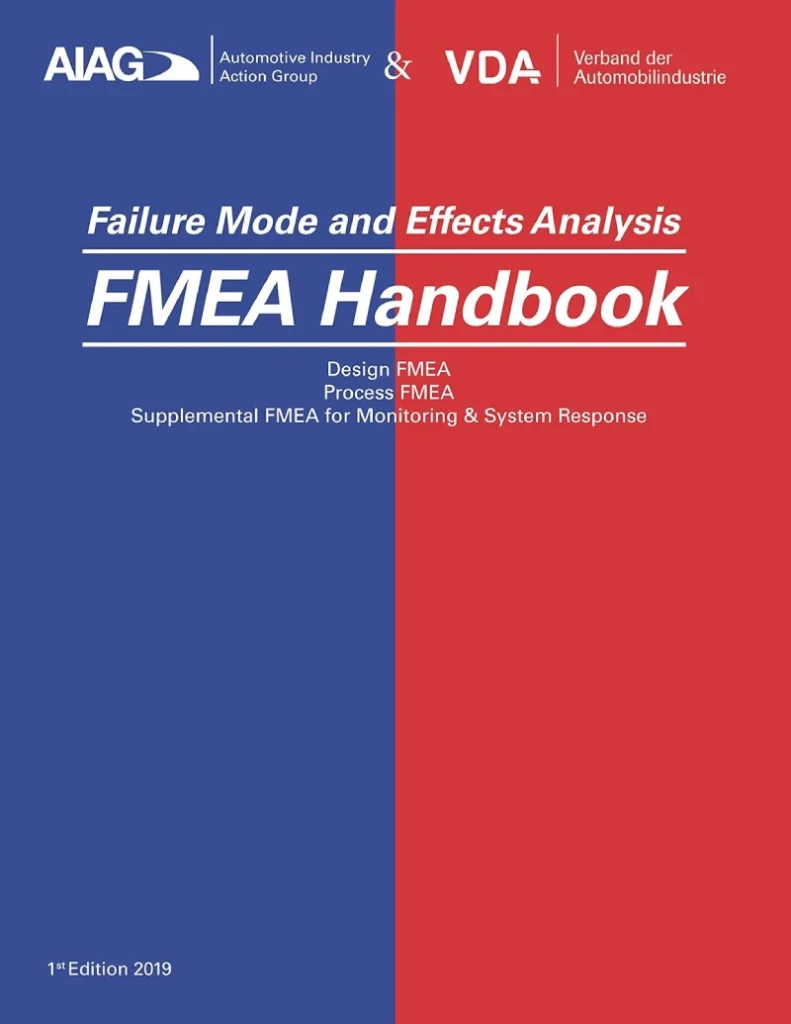
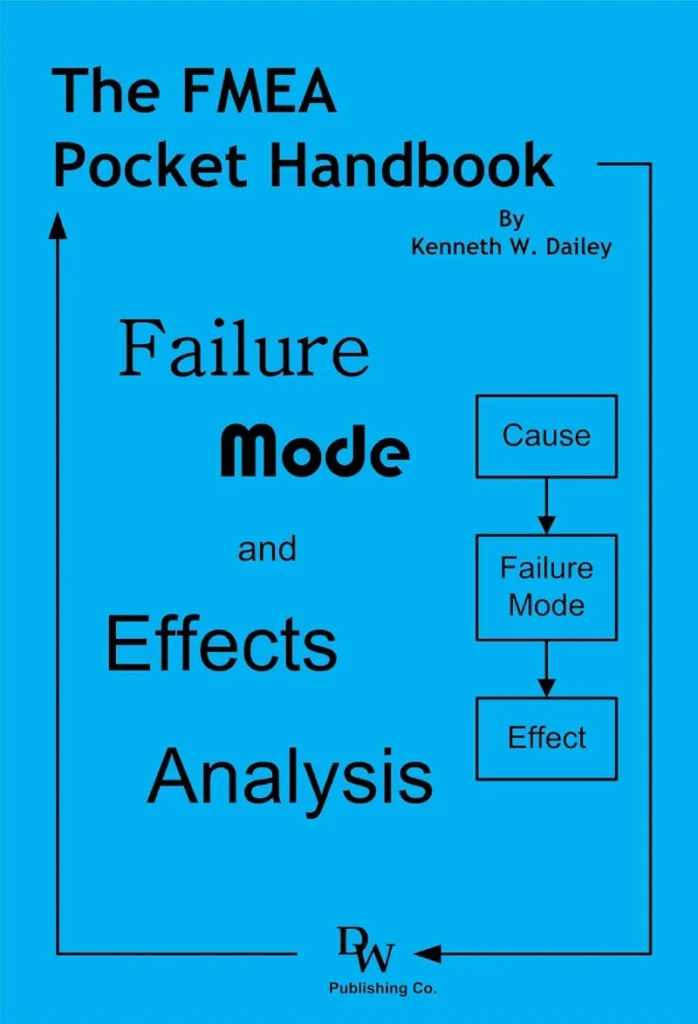
FMEA (Failure Mode and Effects Analysis) is a tool used to identify risks in a process or design before they happen. It helps us think ahead and prevent problems instead of reacting later.
In simple terms, FMEA answers the question: What can go wrong and how serious is it?
A Control Plan, on the other hand, is a live document that tells operators and engineers how to control the process. It defines what to check, how to check, and what to do if something goes wrong.
This is where FMEA monitoring control methods come into action. Without a strong Control Plan, your FMEA becomes just a document with no real impact on production.
Your Quality Management System (QMS) is the overall structure that connects everything together. It includes procedures, records, audits, and continuous improvement activities.
Standards like ISO 9001 require organizations to apply risk-based thinking, which is where FMEA plays a key role. This is also known as the ISO 9001 FMEA connection, and it is critical for certification and compliance.
In real-world implementation, I often see companies treat these three elements separately. This creates gaps where risks are identified but not controlled, or controls exist without understanding the risk behind them.
When you align them properly, your system becomes stronger, more reliable, and easier to audit. This is the foundation of process control FMEA and system-level quality improvement.