When you start exploring FMEA training options, you will notice that there are many formats available today.
Unlike earlier years, where classroom training was the only option, 2026 offers flexible learning modes like FMEA certification online, hybrid programs, and hands-on workshops.
Each type has its own advantages, and choosing the right one depends on your learning style and career goals.
One of the most popular options today is FMEA e-learning.
These online courses allow you to learn at your own pace and are usually more affordable than classroom programs. Many platforms also provide case studies, quizzes, and downloadable templates, which make learning practical.
I often recommend online training for beginners because it helps them build a strong foundation before moving to advanced topics.
Another option is instructor-led training, which includes both classroom and virtual sessions. These programs are ideal if you prefer interactive learning and real-time discussions.
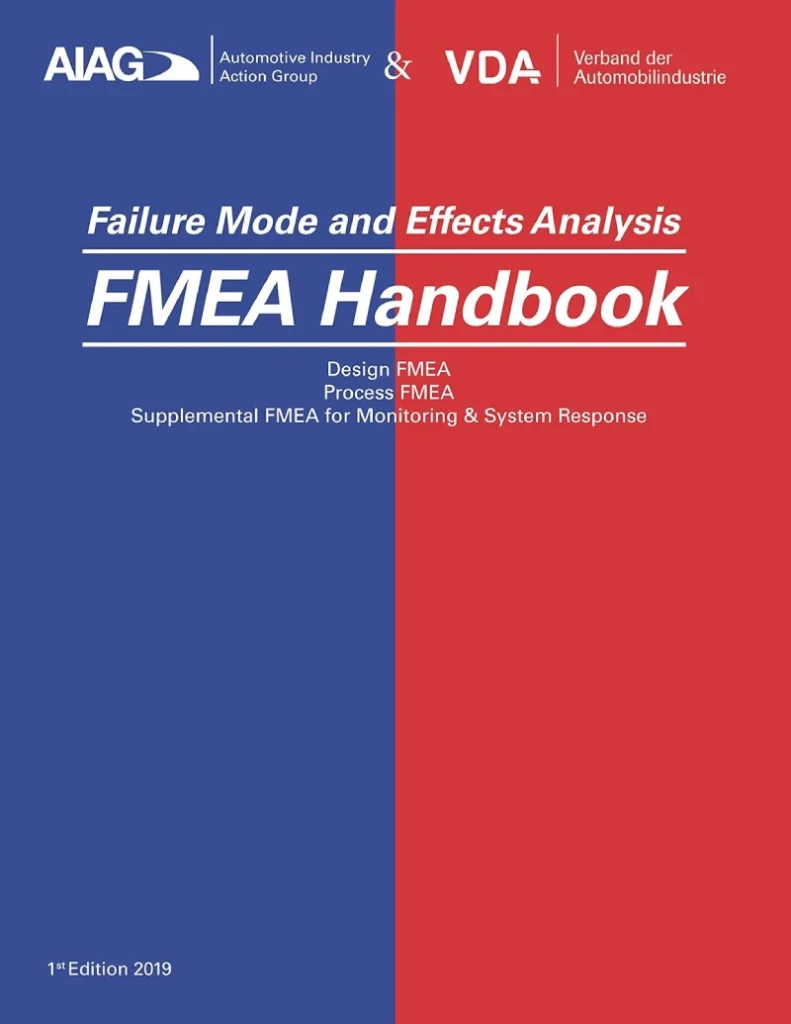
In my experience, engineers who attend live sessions tend to ask more questions and gain deeper clarity. Many AIAG FMEA training programs fall into this category and are highly valued in the automotive industry.
Workshops are also very effective, especially for teams. A typical FMEA workshop focuses on real projects rather than theory.
For example, I once conducted a workshop for a manufacturing plant where we worked directly on a process FMEA. By the end of the session, the team not only learned the method but also improved their actual process risk assessment.
Here are the main types of training available:
- Online self-paced courses (best for beginners)
- Live virtual training sessions (interactive learning)
- Classroom training programs (structured environment)
- On-site corporate workshops (practical application)
- Certification-based programs (career-focused)
Choosing the right type depends on your current level and how you prefer to learn.