FMEA Training for Quality Engineers: Best Courses and Certifications in 2026

In 2026, FMEA training quality engineers certification 2026 has become one of the most important steps for professionals who want to grow in quality, manufacturing, and reliability roles. 

I have personally seen how structured training in Failure Mode and Effects Analysis can completely change how engineers approach risk, defects, and customer complaints. 

With industries becoming more complex and customer expectations rising, having the right FMEA knowledge is no longer optional—it is a must. 

Companies today actively look for engineers who are not just experienced, but also certified and well-trained in structured problem-solving tools.

As a Quality Manager and certified auditor, I have guided many engineers through their journey of learning FMEA, and one thing is clear—those who invest in the right training programs grow faster in their careers. 

Whether you are working in automotive, aerospace, healthcare, or even software, FMEA is now widely used across industries. 

In fact, according to industry reports, over 75% of manufacturing companies globally use FMEA as a standard risk assessment tool. This shows how important proper training and certification have become.

FMEA-training-quality-engineers-certification-2026

In this article, I will walk you through everything you need to know about FMEA training, including the best courses, certifications, practical tips, and how to choose the right program. 

I will also share real-world examples from my experience to help you understand how training can be applied effectively in your daily work. 

Let’s start with the basics and then move into the best options available in 2026.

From my experience, many engineers think they understand FMEA just because they have filled out a template once or twice. 

But real FMEA is much deeper than that. It is not just about documentation; it is about thinking ahead, identifying risks, and preventing failures before they happen

Without proper training, most teams miss critical failure modes, which later lead to costly defects or customer complaints.

One of the biggest reasons to invest in a quality engineer FMEA course is to build a structured approach to problem-solving. When I conduct internal audits, I often notice that untrained teams focus only on obvious risks. 

However, trained engineers can identify hidden risks, system-level failures, and interaction issues that others miss. This is where proper failure mode analysis certification adds real value.

Another important point is career growth. According to a recent survey, certified quality professionals earn 15–25% higher salaries compared to non-certified peers. 

Certifications like ASQ FMEA training or AIAG FMEA training are often preferred by employers because they ensure that the engineer understands industry standards. This is especially important in sectors like automotive, where compliance with AIAG-VDA guidelines is mandatory.

Let me give you a simple example. 

In one project I handled, an untrained team missed a failure mode related to temperature variation in a plastic component. This led to repeated field failures and customer complaints. 

After conducting a proper FMEA workshop, we identified the issue, updated controls, and reduced defects by over 60% within three months. This clearly shows how training directly impacts results.

Recommended Reference Materials and Audit Resources:

For professionals wanting to perform stronger audits, these references are extremely useful:

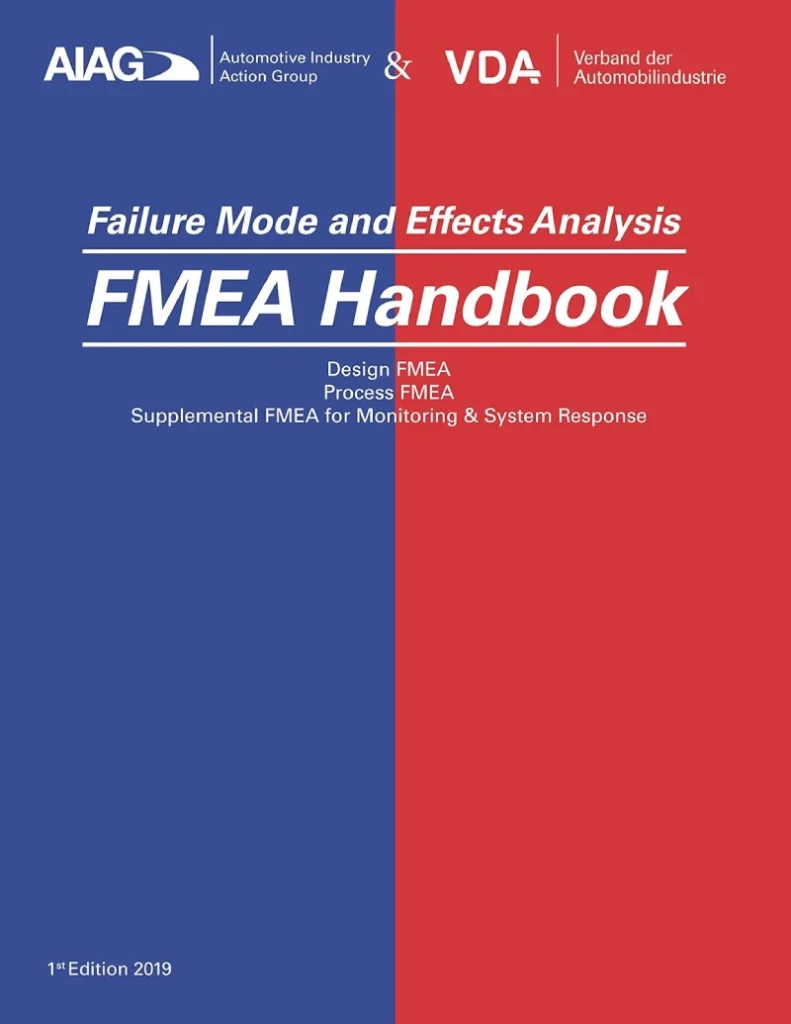
I strongly recommend the official AIAG & VDA FMEA Handbook for auditors working in automotive supplier quality.

Types of FMEA Training Available in 2026:

When you start exploring FMEA training options, you will notice that there are many formats available today. 

Unlike earlier years, where classroom training was the only option, 2026 offers flexible learning modes like FMEA certification online, hybrid programs, and hands-on workshops. 

Each type has its own advantages, and choosing the right one depends on your learning style and career goals.

One of the most popular options today is FMEA e-learning

These online courses allow you to learn at your own pace and are usually more affordable than classroom programs. Many platforms also provide case studies, quizzes, and downloadable templates, which make learning practical. 

I often recommend online training for beginners because it helps them build a strong foundation before moving to advanced topics.

Another option is instructor-led training, which includes both classroom and virtual sessions. These programs are ideal if you prefer interactive learning and real-time discussions. 

In my experience, engineers who attend live sessions tend to ask more questions and gain deeper clarity. Many AIAG FMEA training programs fall into this category and are highly valued in the automotive industry.

Workshops are also very effective, especially for teams. A typical FMEA workshop focuses on real projects rather than theory. 

For example, I once conducted a workshop for a manufacturing plant where we worked directly on a process FMEA. By the end of the session, the team not only learned the method but also improved their actual process risk assessment.

Here are the main types of training available:

  • Online self-paced courses (best for beginners)
  • Live virtual training sessions (interactive learning)
  • Classroom training programs (structured environment)
  • On-site corporate workshops (practical application)
  • Certification-based programs (career-focused)

Choosing the right type depends on your current level and how you prefer to learn.

FMEA Training Quality Engineers Certification 2026: What to Look For?

When selecting a training program, many engineers make the mistake of choosing the cheapest or quickest option. From my experience, this approach rarely works in the long run. 

Instead, you should focus on programs that provide practical knowledge, industry recognition, and real-world application.

The first thing I always check is the course content. A good FMEA best practices course should cover both Design FMEA (DFMEA) and Process FMEA (PFMEA). 

It should also include the latest AIAG-VDA methodology, which is now widely used in the automotive industry. If a course is still teaching outdated methods, it is not worth your time.

The second factor is certification credibility. 

Programs from recognized organizations like ASQ or AIAG carry more weight in the industry. 

These certifications are often required for supplier audits and customer approvals. Having a recognized quality tools certification on your resume can significantly improve your job opportunities.

Another important aspect is hands-on learning. A good course should include:

  • Real-life case studies
  • Practical exercises
  • Templates and tools
  • Risk analysis examples
  • Industry-specific scenarios

Let me share an example. 

One engineer I mentored completed a basic online course without any practical exercises. He understood the theory but struggled to apply it in real projects. 

Later, he attended a structured training program with case studies, and his confidence improved significantly.

Also, check if the course includes updates on digital tools. 

Many companies now use software for FMEA instead of Excel sheets. Learning these tools can give you an added advantage in the job market.

What is the best FMEA training for quality engineers in 2026?

The best FMEA training programs in 2026 are those that combine AIAG-VDA methodology, practical case studies, and recognized certification such as ASQ or AIAG. 

Online courses are suitable for beginners, while workshops and instructor-led training are better for advanced learning.

Choosing a program with hands-on exercises and real-world examples ensures better understanding and application in actual projects.

FMEA training for quality engineers in 2026 focuses on building strong risk analysis skills using structured methods like AIAG-VDA. The most effective programs combine theory with practical application, including case studies and real-world examples. 

Certifications such as ASQ and AIAG are widely recognized and help improve career opportunities and salary growth. 

With the rise of digital tools and online learning, engineers now have flexible options like e-learning, workshops, and hybrid training programs to enhance their professional development in quality engineering.

Read more from:

You can read more about the AIAG FMEA changes form here:

Key Skills You Gain from FMEA Training:

One of the biggest benefits of FMEA training is the development of critical thinking skills. As a quality professional, you are expected to identify risks before they become problems. 

Training helps you understand how to break down processes, analyze potential failures, and prioritize actions effectively.

Another important skill is risk prioritization. Many engineers struggle to decide which issue to address first. 

Through proper training, you learn how to use tools like Severity, Occurrence, and Detection ratings to make informed decisions. This structured approach helps in reducing defects and improving product reliability.

Communication is also a key skill developed during training. FMEA is usually done in cross-functional teams, which include design, production, quality, and sometimes suppliers. 

Being able to clearly explain risks and controls is very important. 

I have seen many engineers improve their confidence after attending a good professional development quality program.

Here are some key skills you will gain:

  • Risk identification and analysis
  • Structured problem-solving
  • Team collaboration skills
  • Documentation and reporting
  • Preventive thinking approach

In one of my projects, a trained engineer was able to identify a potential failure mode during the design phase itself. This prevented a major issue that could have cost the company lakhs in rework and warranty claims. 

This is the real power of proper training.

Helpful Tools & Resources for FMEA Implementation:

Here are some useful tools that I personally recommend for healthcare teams:

  • FMEA Templates (Excel-based)
  • Risk scoring calculators
  • Process mapping software

Example Resource:

These tools make it easier to implement FMEA without starting from scratch.

Best FMEA Courses and Certifications for Quality Engineers in 2026:

Now let me walk you through some of the most reliable and widely accepted training options available today. I’m not just listing these randomly—I’m sharing based on what I have personally seen working in audits, supplier development, and team training programs. 

Choosing the right FMEA certification online or classroom program can directly impact how well you apply the method in real projects.

1. American Society for Quality (ASQ) – FMEA Training Programs:

When it comes to structured and globally recognized learning, ASQ is one of the first names I recommend. Their ASQ FMEA training programs are designed for quality professionals who want a strong foundation along with industry recognition. 

I have seen many engineers use ASQ certifications to move into senior quality roles, especially in multinational companies.

ASQ training covers both Design FMEA and Process FMEA, along with core quality tools. The course content is aligned with real-world applications, which makes it very practical. 

They also include exercises and case-based learning, which helps in understanding complex scenarios better.

From a career perspective, ASQ certifications are highly valued. 

According to industry data, professionals with ASQ certifications are 20% more likely to be shortlisted for quality roles compared to non-certified candidates. 

This makes it a strong choice if you are serious about professional development quality.

2. Automotive Industry Action Group – AIAG-VDA FMEA Training:

If you are working in the automotive industry, this is one training you should not skip. The AIAG FMEA training is based on the latest AIAG-VDA handbook, which is now the standard for automotive companies worldwide. 

I have personally used this methodology in audits, and most OEMs expect suppliers to follow this approach.

The training focuses on the 7-step FMEA process, which is more structured compared to traditional methods. It also emphasizes system analysis, function analysis, and failure chain understanding. 

These concepts are very important if you want to go beyond basic FMEA documentation.

One of the biggest advantages of this training is its relevance. Many companies now require engineers to be trained in AIAG-VDA standards before assigning them to critical projects. 

In fact, surveys show that over 80% of automotive suppliers have adopted this methodology.

3. Udemy – Affordable FMEA E-Learning Courses:

If you are just starting your journey, platforms like Udemy offer a wide range of FMEA e-learning courses at affordable prices. These courses are ideal for beginners who want to understand the basics before investing in advanced certifications.

One thing I like about these courses is their flexibility. You can learn at your own pace, revisit lessons, and practice using downloadable templates. 

Many courses also include quizzes and assignments, which help reinforce learning.

However, I always advise engineers not to stop here. While Udemy courses are good for basics, they may not carry strong industry recognition. 

Think of them as a stepping stone before moving to more advanced failure mode analysis certification programs.


4. Coursera – University-Based Quality Courses:

Coursera offers structured programs in quality engineering and reliability, often in collaboration with top universities. These courses provide a more academic approach to FMEA and related quality tools.

What makes Coursera unique is its combination of theory and practical application. Some courses include real-world case studies and peer-reviewed assignments. 

This helps you understand not just how to do FMEA, but also why it is important.

Many engineers I have worked with prefer Coursera for its credibility and structured learning path. It is especially useful if you are looking to build a strong base in quality tools certification along with FMEA knowledge.

5. Quality-One International – Industry-Focused FMEA Workshops:

If you are looking for hands-on learning, Quality-One offers some of the best FMEA workshop programs. These are designed for engineers who want to apply FMEA directly to their projects.

I have seen teams benefit a lot from such workshops. 

Instead of just learning theory, participants work on actual case studies and real company data. This makes the learning highly practical and immediately useful.

These workshops are particularly useful for organizations that want to train their teams together. It improves collaboration and ensures that everyone follows the same methodology.

Comparison of Top FMEA Training Programs:

To make your decision easier, here is a simple comparison based on my experience:

Training Provider

Best For

Mode

Recognition

Practical Learning

ASQ

Career growth

Online/Classroom

High

Medium

AIAG

Automotive industry

Instructor-led

Very High

High

Udemy

Beginners

Online

Low

Medium

Coursera

Academic learning

Online

Medium

Medium

Quality-One

Hands-on teams

Workshop

High

Very High

This table should help you quickly understand which program suits your needs.

How to Choose the Right FMEA Course for Your Career?

Choosing the right quality engineer FMEA course is not just about price or duration. It depends on your current role, experience, and career goals. Let me guide you based on different scenarios.

If you are a beginner, start with an FMEA certification online course. Focus on understanding the basics, terminology, and structure. Once you are comfortable, move to advanced training like AIAG or ASQ programs.

If you are already working in the automotive sector, go directly for AIAG FMEA training. This will help you align with industry standards and improve your chances during audits and customer interactions.

For experienced professionals, I recommend workshops or advanced certification programs. These help you refine your skills and learn FMEA best practices course techniques that are used in real projects.

Here’s a simple way to decide:

  • Beginner → Start with e-learning
  • Intermediate → Go for certification programs
  • Advanced → Attend workshops and apply learning

I always tell my team: “Don’t just learn FMEA, learn how to use it effectively.”

Which FMEA course should you choose in 2026?

Choose an FMEA course based on your experience level and industry needs. Beginners should start with online courses, while automotive professionals should prefer AIAG-VDA training

For career growth, ASQ certifications are highly recommended, and workshops are best for hands-on learning and real-world application.

The best FMEA courses in 2026 include ASQ certifications, AIAG-VDA training, and practical workshops from industry experts. 

Online platforms like Udemy and Coursera are suitable for beginners, while advanced professionals benefit more from structured certification and hands-on training. 

Selecting the right course depends on experience level, industry requirements, and career goals. 

Combining theoretical knowledge with practical application ensures better understanding and effective implementation of FMEA in real-world scenarios.

Real-Life Example: How the Right Training Made a Difference?

Let me share a real example from my experience. One of my team members had basic knowledge of FMEA but struggled during customer audits. He could fill out the form but couldn’t explain the logic behind risk prioritization.

I recommended him to attend an AIAG FMEA training program. After completing the course, his approach completely changed. He started thinking in terms of system functions, failure chains, and preventive controls.

Within six months, he successfully handled a major audit without any non-conformities related to FMEA. This not only improved his confidence but also earned appreciation from the customer.

This is why I always emphasize investing in the right failure mode analysis certification.

Career Benefits of FMEA Training for Quality Engineers:

From what I have seen over the years, engineers who complete a structured quality engineer FMEA course don’t just gain knowledge—they gain visibility inside their organization. Managers tend to trust engineers who can identify risks early and prevent issues before they reach customers. 

This kind of skill is rare, and that’s why trained professionals often move faster into senior roles like Quality Lead, Supplier Quality Engineer, or even Quality Manager.

Salary growth is another major benefit. Industry reports suggest that professionals with FMEA certification online or recognized credentials like ASQ or AIAG earn around 15% to 30% higher salaries compared to those without certification. 

I have personally seen engineers move from mid-level roles to leadership positions within two to three years after completing proper training and applying it consistently.

Another important benefit is job security. 

In today’s competitive environment, companies are focusing heavily on risk prevention and zero-defect strategies

Engineers who understand failure analysis and preventive controls are always in demand. Whether it is manufacturing, healthcare, or even software, the need for failure mode analysis certification continues to grow.

Let me give you a simple example. One engineer in my team took a structured FMEA best practices course, and within a year, he became the go-to person for all risk-related discussions. 

He was later promoted to lead cross-functional FMEA reviews, which significantly boosted his career growth.

Recommended Reference Materials and Audit Resources:

For professionals wanting to perform stronger audits, these references are extremely useful:

I strongly recommend the official AIAG & VDA FMEA Handbook for auditors working in automotive supplier quality.

Read more from:

You can read more about the AIAG FMEA changes form here:

How to Apply FMEA Training in Real Projects?

Learning FMEA is one thing, but applying it effectively is where the real challenge lies. I always tell engineers that training is just the starting point. 

The real value comes when you use that knowledge in actual projects and improve results.

The first step is to start small. Don’t try to apply FMEA to a complex system immediately. Begin with a simple process or product and practice identifying failure modes, causes, and effects. 

This helps build confidence and clarity.

Next, involve your team. FMEA is not a one-person activity; it requires input from design, production, quality, and sometimes even suppliers. I have seen the best results when teams collaborate and share their knowledge during FMEA workshops.

Another key point is to focus on prevention, not just detection. Many engineers make the mistake of adding inspection controls instead of addressing root causes. 

A well-trained engineer always looks for ways to eliminate the failure mode rather than just detect it.

Here’s how I usually apply FMEA in projects:

  • Define the scope clearly
  • Break down the process into steps
  • Identify potential failures
  • Analyze causes and effects
  • Assign risk ratings
  • Implement preventive actions

In one project, we applied this structured approach and reduced internal defects by over 40% within six months. This clearly shows the impact of applying training effectively.

Common Mistakes Engineers Make in FMEA (And How to Avoid Them):

Even after attending training, many engineers make common mistakes while applying FMEA. I have seen these issues repeatedly during audits and project reviews. 

The good news is that once you are aware of them, they are easy to fix.

One common mistake is treating FMEA as a documentation exercise. Engineers often fill out templates just to complete a requirement, without actually analyzing risks. 

This defeats the entire purpose of FMEA.

Another mistake is incorrect risk rating. 

Without proper understanding, engineers tend to assign random Severity, Occurrence, and Detection values. This leads to incorrect prioritization and ineffective actions.

A third issue is lack of team involvement. FMEA should always be a cross-functional activity. When done alone, it misses important inputs and becomes less effective.

Here are some quick tips to avoid these mistakes:

  • Always focus on real risks, not just documentation
  • Use data wherever possible for rating values
  • Involve multiple departments
  • Review and update FMEA regularly
  • Link FMEA actions to actual improvements

I once reviewed an FMEA where all risks were marked as “low” just to avoid action items. After proper training and re-evaluation, we identified several high-risk issues that needed immediate attention. 

This is why proper FMEA e-learning combined with practical experience is so important.

Tools and Software for FMEA in 2026:

In 2026, FMEA is no longer limited to Excel sheets. 

Many companies are moving towards digital tools that make the process faster, more accurate, and easier to manage. Learning these tools as part of your quality tools certification can give you a strong advantage.

One widely used tool is APIS IQ-FMEA, which is popular in the automotive industry. It supports the AIAG-VDA methodology and helps teams collaborate effectively. 

I have used this tool in supplier audits, and it significantly improves traceability and documentation.

Another powerful option is ReliaSoft XFMEA, which is more focused on reliability engineering and advanced analysis. It is commonly used in aerospace and high-reliability industries.

For companies looking for integrated solutions, SAP Quality Management offers FMEA features as part of its quality management system. This helps in linking FMEA with other processes like inspections and corrective actions.

Here are some benefits of using FMEA software:

  • Better collaboration across teams
  • Easy updates and version control
  • Automated risk calculations
  • Integration with other quality tools
  • Improved audit readiness

In one organization I worked with, switching from Excel to a digital tool reduced FMEA update time by almost 50%. This allowed the team to focus more on analysis rather than documentation.

Recommended Books and Learning Resources:

Along with training programs, I always recommend engineers to build a habit of continuous learning. Books and reference materials can help you deepen your understanding and stay updated with best practices.

One of the most important references is the AIAG & VDA FMEA Handbook, which is widely used in the automotive industry. This book explains the latest methodology in detail and is essential for anyone working with AIAG-VDA FMEA.

Another useful resource is the The ASQ Handbook, which covers a wide range of quality tools, including FMEA. It is a great reference for both beginners and experienced professionals.

You can also explore online blogs and guides from trusted sources like:

These platforms regularly publish updates, case studies, and best practices related to FMEA and quality engineering.

Is FMEA certification worth it for quality engineers in 2026?

Yes, FMEA certification is highly valuable for quality engineers in 2026. It improves problem-solving skills, increases salary potential by up to 30%, and enhances career growth opportunities. 

Certified professionals are preferred by employers, especially in industries like automotive and manufacturing where risk analysis is critical.

FMEA training helps quality engineers build strong risk analysis and preventive thinking skills, which are essential in modern industries. 

Certifications from recognized organizations improve career growth, salary potential, and job security. 

Applying FMEA effectively requires teamwork, structured analysis, and the use of digital tools. 

By combining training, practical experience, and continuous learning, engineers can significantly improve product quality and reduce failures in real-world projects.

Final Thoughts:

If you are serious about growing in the quality field, investing in the right training is one of the best decisions you can make. I have seen engineers transform their careers simply by learning how to think differently about risks and failures.

Don’t just aim to complete a course—aim to understand and apply what you learn. Start with the basics, move to advanced certifications, and keep practicing in real projects. 

Over time, you will see a significant improvement in your confidence and performance.

Remember, FMEA is not just a tool—it is a mindset. 

Once you develop that mindset, you will start seeing risks and opportunities everywhere, and that is what makes a true quality professional.

Frequently Asked Questions (FAQs)

1. What is the best FMEA certification for quality engineers?

The best certification depends on your industry and experience level. For general quality roles, ASQ certifications are highly recommended. 

For automotive professionals, AIAG-VDA training is the best choice. Beginners can start with online courses and then move to advanced certifications.

2. Can I learn FMEA online?

Yes, many platforms offer FMEA certification online programs. These courses are flexible and suitable for beginners. However, for advanced learning, it is better to combine online training with workshops or practical sessions.

3. How long does it take to complete FMEA training?

The duration varies depending on the course. Basic online courses can be completed in a few hours, while advanced certification programs may take several days or weeks. Continuous practice is also important for mastering the skill.

4. Is FMEA training useful outside manufacturing?

Yes, FMEA is used in many industries, including healthcare, software, and aerospace. The principles of risk analysis and failure prevention are applicable across different fields.

5. What skills are required for FMEA?

Key skills include analytical thinking, problem-solving, teamwork, and attention to detail. Training programs help develop these skills through structured learning and practical exercises.

6. Do I need experience before taking FMEA training?

No, beginners can start with basic courses. However, having some industry experience helps in understanding real-world applications better.

7. What is the cost of FMEA certification?

Costs vary widely. Online courses can cost as low as ₹1,000, while advanced certifications may range from ₹20,000 to ₹1,00,000 depending on the provider.

8. How do I choose the right course?

Choose based on your experience level, industry, and career goals. Look for courses that include practical examples and recognized certifications.

9. Are FMEA certifications recognized globally?

Yes, certifications from organizations like ASQ and AIAG are recognized worldwide and valued by employers.

10. How can I practice FMEA after training?

Start by applying it to small projects in your workplace. Participate in team discussions, review existing FMEAs, and continuously improve your analysis skills.

This Page uses Affiliate Links. When you Click an Affiliate Link, we get a small compensation at no cost to you. Our Affiliate Disclosure for more info.

Leave a comment